Quick Launch: Puzzle Mode
Pick a puzzle type and play immediately. These starter picks cover visual, word, number, and logic styles for fast first-session onboarding.
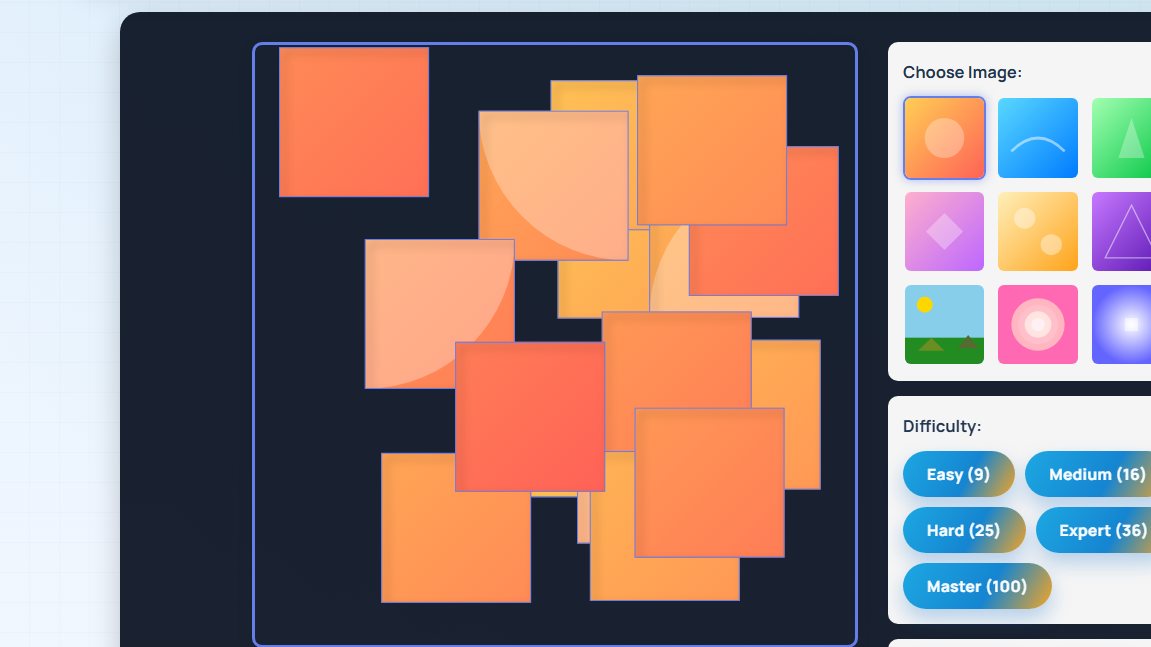
Jigsaw Puzzle
Visual assembly flow with low pressure and steady completion rewards.
Visual Logic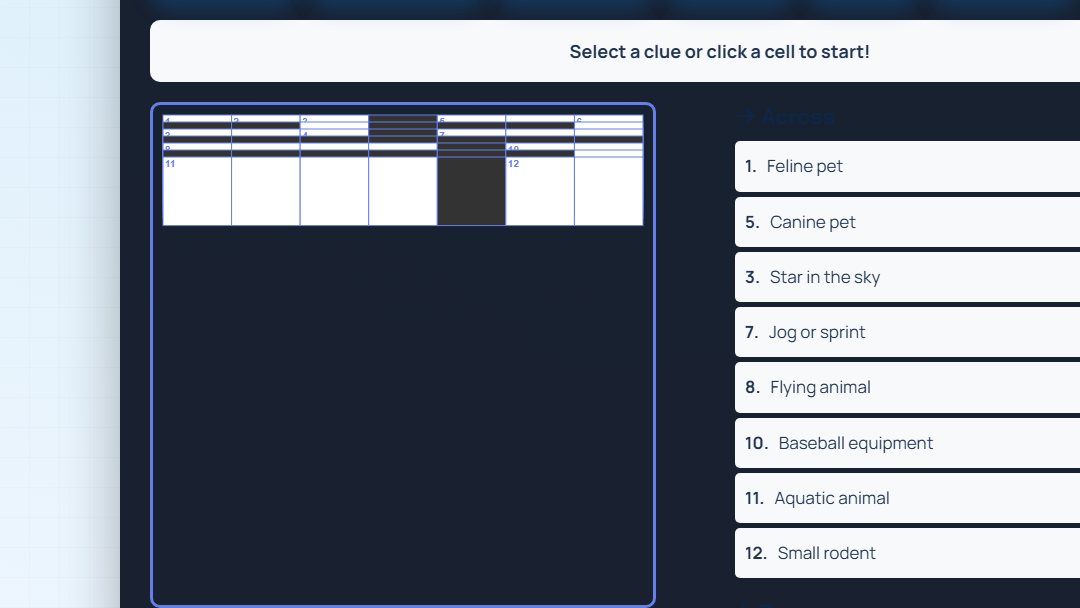
Crossword
Clue-driven puzzle rounds for vocabulary and pattern solve rhythm.
Word Logic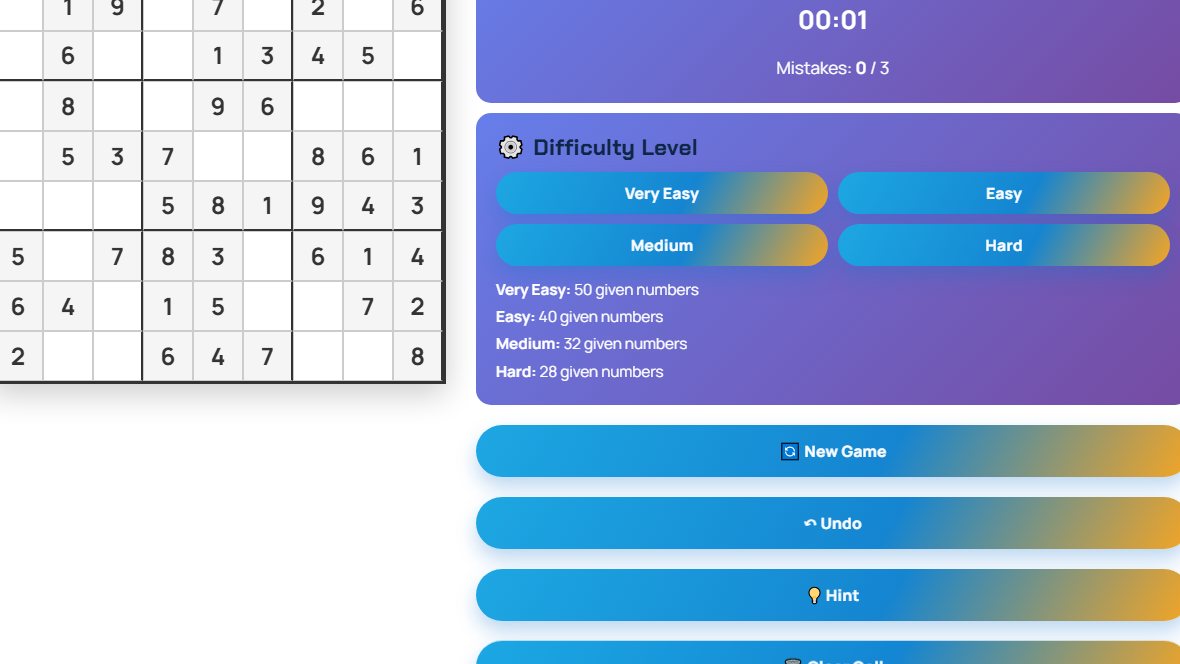
Sudoku
Classic number grid strategy with gradual cognitive ramp-up.
Number Logic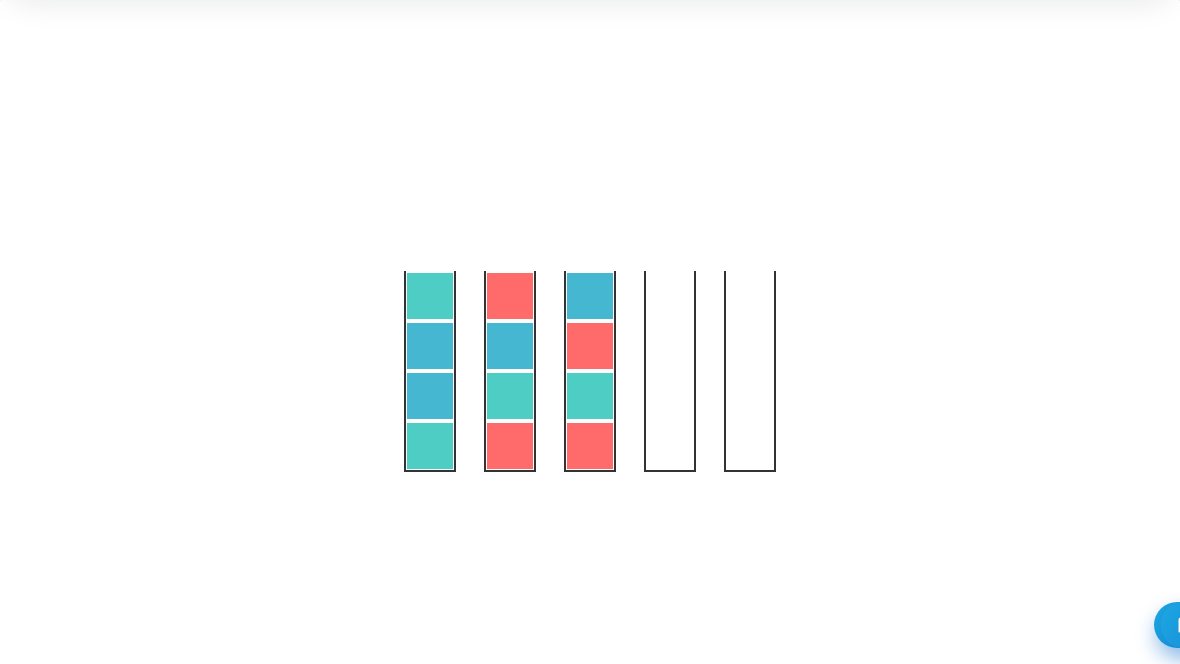
Water Sort Puzzle
Color sorting loop with quick retries and satisfying solve cadence.
Casual PuzzleFunora's free online puzzle games page is designed for focused, short sessions: choose a puzzle style, solve a round, and build your streak. You can rotate between jigsaw, crossword, sudoku, and logic titles without any install step.
Start from the quick-launch block above for immediate play, then continue into the full puzzle catalog if you want deeper challenge tiers, puzzle variants, and training-oriented game types.
Best if you want a calm start with no timer pressure and a clear visual goal.
Best if you want a repeatable logic challenge that fits neatly into short breaks.
Best if you want thinking-heavy play with a little language challenge built in.
Featured Puzzle Games
Jigsaw Puzzle
Classic jigsaw puzzle with realistic piece shapes and multiple difficulty levels. Drag and drop pieces to complete beautiful images.
Visual Puzzle
Crossword
Traditional crossword puzzle with challenging clues. Test your vocabulary and general knowledge across various topics.
Word Puzzle
Sudoku
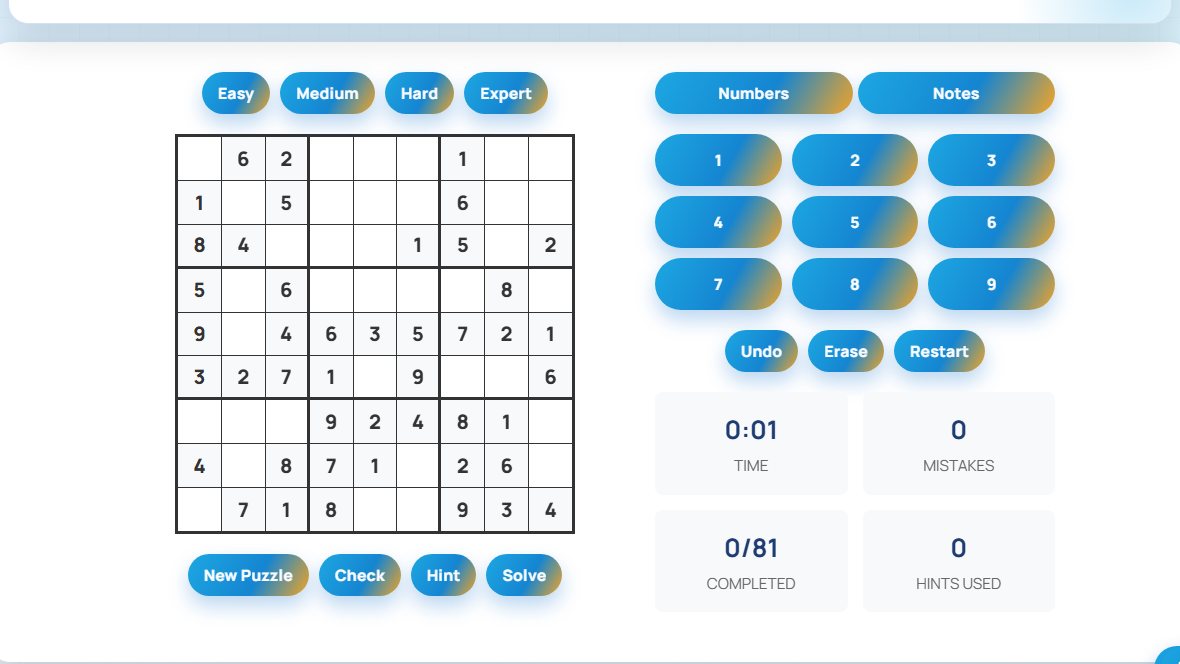
Classic number-placement puzzle. Fill the 9x9 grid so each row, column, and 3x3 box contains digits 1-9.
Logic Puzzle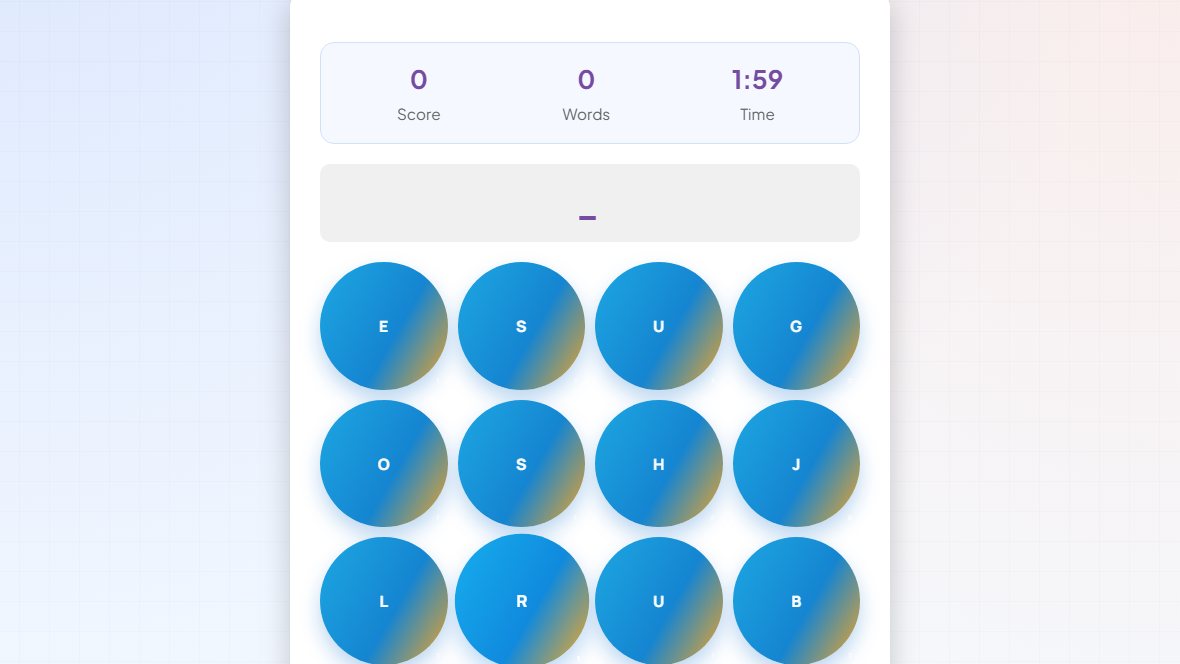
Word Master
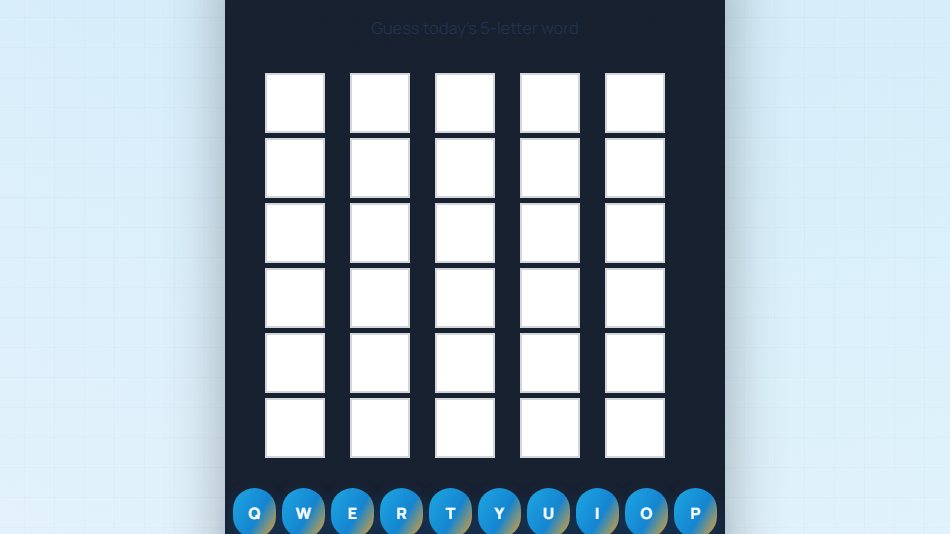
Wordle-style word guessing game. Use logic and vocabulary to guess the 5-letter word in 6 attempts.
Word Puzzle
Water Sort Puzzle
Addictive color-sorting puzzle. Pour colored water between tubes until each tube contains only one color.
Logic Puzzle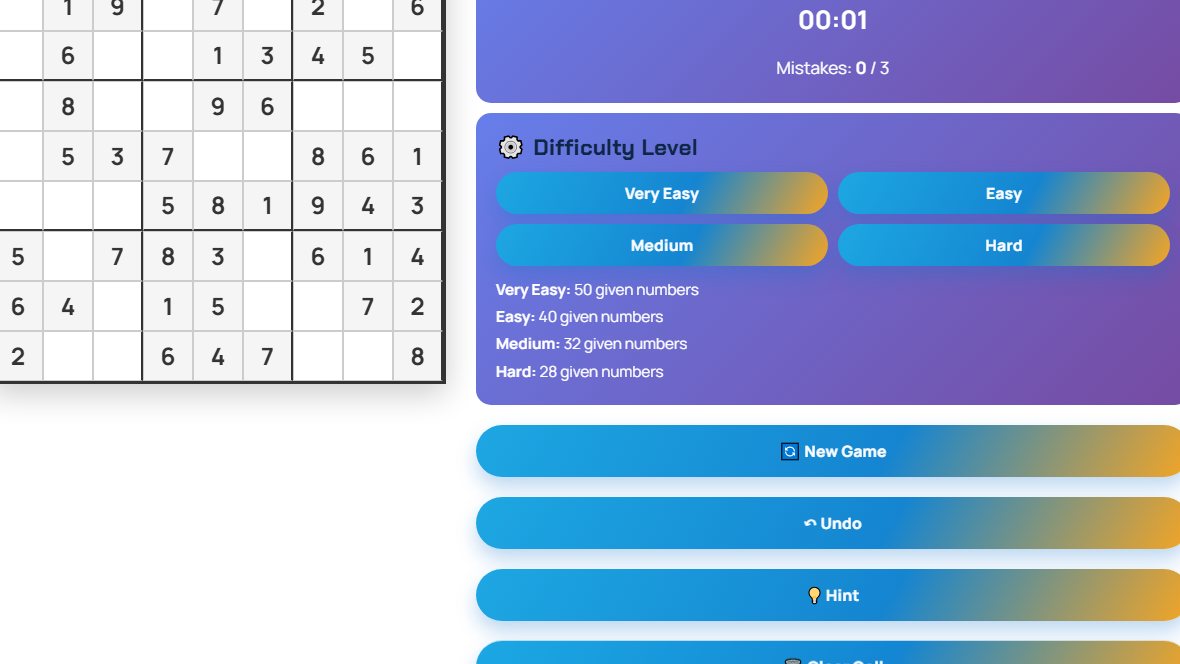
Number Puzzle
Engaging number-based puzzle game. Combine tiles strategically to reach target numbers and clear the board.
Number PuzzleOpen the full puzzle guide Puzzle types, benefits, and choosing tips stay here when you want a deeper read.
Types of Puzzle Games
🖼️ Jigsaw Puzzles
Jigsaw puzzles are the most iconic visual puzzle type, dating back to 1760 when London mapmaker John Spilsbury mounted maps on wood and cut them into pieces. Today's digital jigsaw puzzles offer variable piece counts (from 9 to 1000+), realistic piece shapes with interlocking edges, rotation features, and hint systems. Studies show that jigsaw puzzles improve visual-spatial reasoning, short-term memory, and problem-solving skills. Our jigsaw puzzle collection includes landscape photos, artwork reproductions, and themed images across difficulty levels suitable for ages 5 to 95.
📝 Crossword Puzzles
Crossword puzzles have been the world's most popular word game since Arthur Wynne created the first one for the New York World in 1913. Modern crosswords feature intersecting word grids where players fill in answers to clues, with overlapping letters providing hints. Our crossword puzzles range from easy (Monday-style with straightforward clues) to challenging (Saturday-style with cryptic wordplay), covering topics like general knowledge, pop culture, science, history, and current events. Regular crossword solving has been linked to delayed onset of dementia and improved verbal fluency in adults.
Sudoku & Number Puzzles
Sudoku is the world's most popular logic-based number puzzle, with over 200 million daily players globally. Despite its Japanese name (meaning "single number"), sudoku was invented by American Howard Garns in 1979. The classic 9x9 grid requires placing digits 1-9 so each row, column, and 3x3 box contains each digit exactly once. Variations include 4x4 mini sudoku, 16x16 mega sudoku, diagonal sudoku, and killer sudoku (combining sudoku with addition). Research from the University of Edinburgh shows sudoku improves concentration, logical thinking, and number sense, making it popular in educational settings.
📚 Word Games
Word games encompass a diverse category including word search, anagrams, word scramble, Wordle-style guessing games, and vocabulary builders. Word search puzzles hide words horizontally, vertically, or diagonally in letter gridsperfect for vocabulary reinforcement and pattern recognition. Anagram games rearrange letters to form new words, challenging players' linguistic creativity. Modern hits like Wordle (6 guesses to find a 5-letter word with color-coded feedback) have sparked a daily puzzle phenomenon with 2+ million players. Word games improve spelling, expand vocabulary, enhance verbal fluency, and can even help in learning new languages.
🧠 Logic & Brain Teasers
Logic puzzles challenge pure reasoning without relying on knowledge or vocabulary. Classic examples include nonograms (revealing pictures by solving number clues), Kakuro (crossword-style sums), bridges (connecting islands with rules), and towers (arranging heights by visibility clues). These puzzles develop deductive reasoning, systematic thinking, and patience. Brain teasers often include lateral thinking puzzles, mathematical riddles, and visual illusions that require creative problem-solving. Corporate training programs increasingly use logic puzzles to improve analytical skills and decision-making abilities in employees.
🔍 Pattern & Matching Games
Pattern matching puzzles include classics like Memory (matching pairs), Mahjong (matching identical tiles), and match-3 games (aligning similar items). These games exercise visual perception, short-term memory, and pattern recognitioncognitive skills crucial for reading, mathematics, and everyday navigation. Advanced pattern puzzles include tangrams (arranging shapes to match silhouettes), pentomino puzzles (fitting 5-square pieces), and tessellation challenges. Neuroscience research indicates that regular pattern-matching activities strengthen neural pathways and can improve processing speed by up to 20% over 8 weeks of consistent practice.
Benefits of Playing Puzzle Games
- Improved Memory: Puzzle games strengthen both short-term working memory and long-term memory formation. A 2019 University of Michigan study found that participants who solved puzzles for 25 minutes daily showed 30% improvement in memory test scores after just 4 weeks. Crosswords and word games particularly enhance verbal memory, while visual puzzles like jigsaws boost spatial memory.
- Enhanced Problem-Solving Skills: Regular puzzle-solving develops systematic approaches to challenges, teaching players to break complex problems into manageable steps. This translates directly to real-world situationsprogrammers, engineers, and researchers often credit puzzle games for honing their analytical abilities. Logic puzzles specifically improve deductive reasoning and hypothesis testing.
- Better Concentration and Focus: Completing puzzles requires sustained attention, training your brain to filter distractions and maintain focus. Research from the National Institute of Health shows puzzle solvers demonstrate 40% better concentration in task-switching tests compared to non-solvers. This benefit is particularly valuable in our age of digital distractions and shortened attention spans.
- Increased IQ and Cognitive Function: The University of Hamburg's longitudinal study (2015-2020) found that adults who solved puzzles 5+ times weekly showed an average IQ increase of 4 points over 5 years, while control groups showed no significant change. Puzzles exercise multiple cognitive domains simultaneouslylogic, spatial reasoning, language, and pattern recognitionleading to overall cognitive enhancement.
- Stress Reduction and Relaxation: Puzzle-solving triggers a meditative state called "flow," where players become fully immersed in the activity, reducing cortisol (stress hormone) levels by up to 28%. This mindful engagement provides a healthy escape from daily pressures. Many therapists recommend puzzle games as part of anxiety management programs, as they offer achievable goals and satisfying completion experiences.
- Delayed Cognitive Decline: The landmark ACTIVE study (Advanced Cognitive Training for Independent and Vital Elderly) followed 2,800 seniors for 10 years, finding that those who regularly solved puzzles maintained cognitive function significantly better than non-puzzlers. Crosswords and sudoku in particular are associated with 47% reduced risk of dementia. The mental stimulation creates "cognitive reserve" that protects against age-related decline.
- Improved Mood and Sense of Achievement: Completing a puzzle releases dopamine, the "reward" neurotransmitter associated with motivation and pleasure. This creates positive reinforcement loops that improve overall mood. Unlike many forms of entertainment, puzzles provide tangible accomplishmentvisible progress toward a clear goalwhich builds self-efficacy and confidence, especially valuable for students and those recovering from setbacks.
- Social Connection: While many puzzle games are solitary, collaborative puzzle-solving (team crosswords, cooperative jigsaw puzzles) strengthens social bonds and communication skills. Online puzzle communities create opportunities for friendly competition, strategy sharing, and cross-generational interaction. Family puzzle nights have been shown to improve parent-child relationships and create lasting positive memories.
How to Choose the Right Puzzle Game
Selecting the perfect puzzle game depends on your goals, available time, and preferred challenge type. Here's a comprehensive guide to help you choose:
For Quick Mental Breaks (5-15 minutes)
Choose word scrambles, mini sudoku, quick crosswords, or simple matching games. These provide satisfying mental stimulation during coffee breaks, commutes, or waiting periods without requiring long-term commitment. Mobile-optimized versions work perfectly for on-the-go solving.
For Deep Concentration (30+ minutes)
Opt for complex jigsaw puzzles (300+ pieces), challenging crosswords, difficult sudoku variants, or intricate logic puzzles. These require sustained focus and provide the "flow state" benefits of deep work, ideal for weekend relaxation or dedicated puzzle sessions.
For Learning and Education
Select word games for vocabulary building, number puzzles for arithmetic practice, geography crosswords, or science-themed brain teasers. Educational puzzles make learning enjoyablestudents who use puzzle-based learning retain information 60% longer than those using traditional methods.
For Stress Relief
Try jigsaw puzzles, color-sorting games, pattern-matching games, or gentle sudoku. These visually-oriented, methodical puzzles promote relaxation through their repetitive, satisfying mechanics. Avoid time-pressured or competitive puzzles when seeking stress relief.
For Social Interaction
Choose collaborative crosswords, multiplayer word games, team puzzle challenges, or shared jigsaw puzzles. Many of our puzzle games support simultaneous solving, making them perfect for family game nights, classroom activities, or virtual hangouts with friends.
Ready to Challenge Your Brain?
Explore our complete collection of 50+ free puzzle games. No downloads, no registrationjust instant brain-training fun!
Browse All GamesFrequently Asked Questions
What are puzzle games?
Puzzle games are a genre of games that emphasize problem-solving, logic, pattern recognition, and strategic thinking. They include jigsaw puzzles, crossword puzzles, sudoku, word games, logic puzzles, and matching games. Unlike action or adventure games, puzzle games challenge players to solve problems through trial and error, deduction, or pattern matching rather than reflexes or combat. The best puzzle games balance accessibility (easy to learn) with depth (challenging to master), providing satisfying "aha!" moments when solutions click into place.
Are puzzle games good for your brain?
Yes, extensive research confirms that puzzle games offer numerous cognitive benefits. Studies show regular puzzle-solving improves memory (both short-term and long-term), enhances problem-solving skills, increases attention span, boosts IQ scores (average 4-point increase over 5 years), delays cognitive decline, reduces stress through mindful engagement, and improves mood via dopamine release. The key is consistencysolving puzzles 3-5 times weekly for at least 15 minutes yields measurable benefits. However, variety matters too; rotating between different puzzle types exercises diverse cognitive skills for maximum brain health.
What is the most popular type of puzzle game?
The most popular puzzle games vary by region and demographics, but globally, Sudoku leads with 200+ million daily players worldwide, followed closely by crossword puzzles (150+ million players) and jigsaw puzzles (which sell over 1 billion units annually in physical form). In the digital space, Wordle exploded in 2021-2022 with 2+ million daily players, while match-3 games like Candy Crush maintain massive mobile audiences. Classic word searches and logic puzzles round out the top tier, with each format appealing to different age groups and skill preferences.
Can I play puzzle games for free online?
Absolutely! Funora offers 50+ completely free online puzzle games that require no downloads, no registration, and no hidden fees. All games are browser-based HTML5 games that work on desktop computers, tablets, and smartphones. You get unlimited plays with no daily limits or paywalls. We support free gaming through ethical advertising, ensuring you can enjoy premium puzzle experiences without cost. Simply visit our site, click a game, and start solvingit's that easy!
What age group are puzzle games suitable for?
Puzzle games are suitable for all ages from young children (3+) to seniors (90+), though appropriate puzzle types vary by age. Preschoolers (3-5) enjoy simple jigsaw puzzles (4-25 pieces) and basic matching games. Elementary students (6-12) can handle crosswords, easy sudoku, and word searches, building academic skills. Teens and adults (13+) appreciate challenging crosswords, complex logic puzzles, and advanced sudoku variants. Seniors particularly benefit from puzzles that maintain cognitive function, with crosswords and number games being favorites. Most puzzle games offer adjustable difficulty, making them accessible across ages and skill levels.
How long does it take to complete a puzzle game?
Completion time varies dramatically based on puzzle type, difficulty, and individual skill level. Quick puzzles (word scrambles, mini sudoku, simple matching) typically take 1-5 minutesperfect for short breaks. Medium puzzles (standard crosswords, regular sudoku, 100-piece jigsaws) usually require 10-30 minutes of focused solving. Complex puzzles (expert crosswords, 500+ piece jigsaws, advanced logic puzzles) may take 1-3 hours or multiple sessions. Some epic jigsaw puzzles (1000+ pieces) can provide entertainment for days or weeks. The beauty of digital puzzles is the ability to save progress and return anytime, fitting puzzle-solving into your schedule.
More Puzzle Categories
Crossword Puzzle
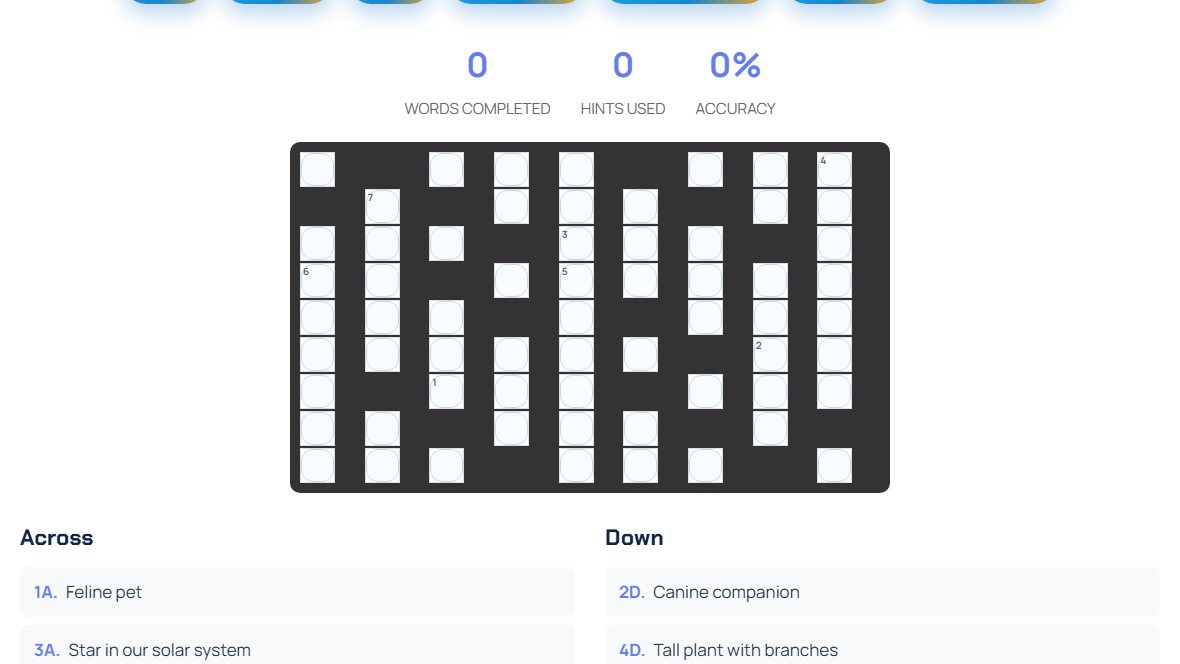
Daily crossword with varying difficulty levels and themed puzzles for crossword enthusiasts.
NYT Sudoku
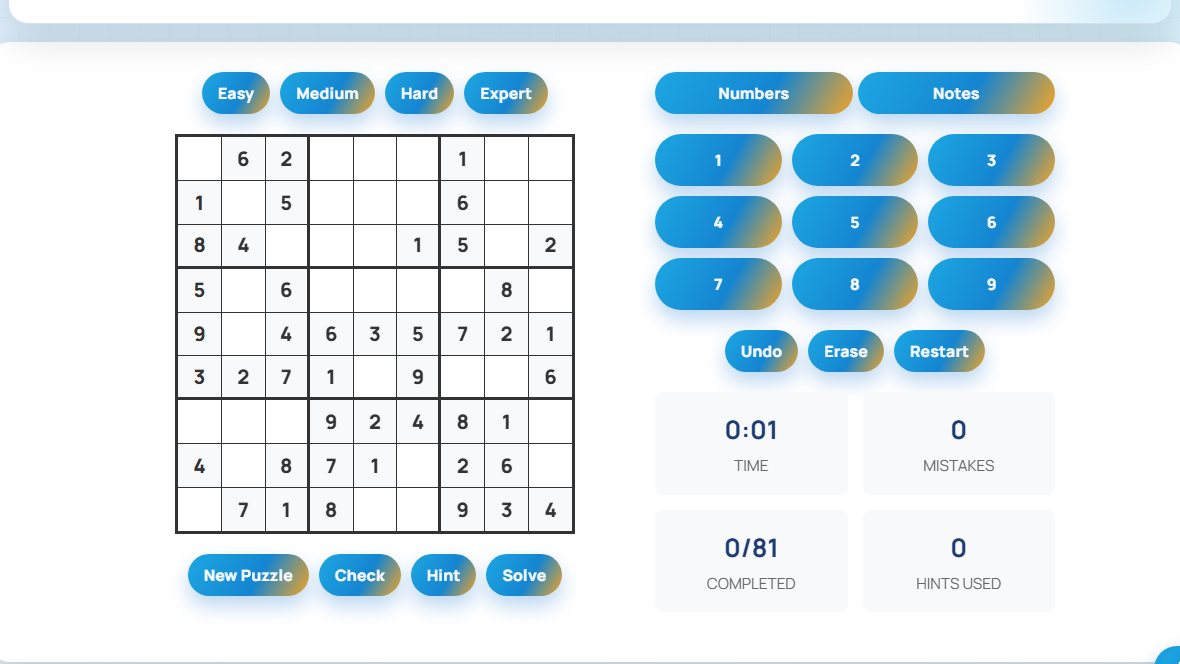
New York Times-style sudoku puzzles with multiple difficulty settings from easy to expert.
Wordle Clone
Guess the 5-letter word in 6 tries with color-coded hints. New puzzle daily!
Word Scramble
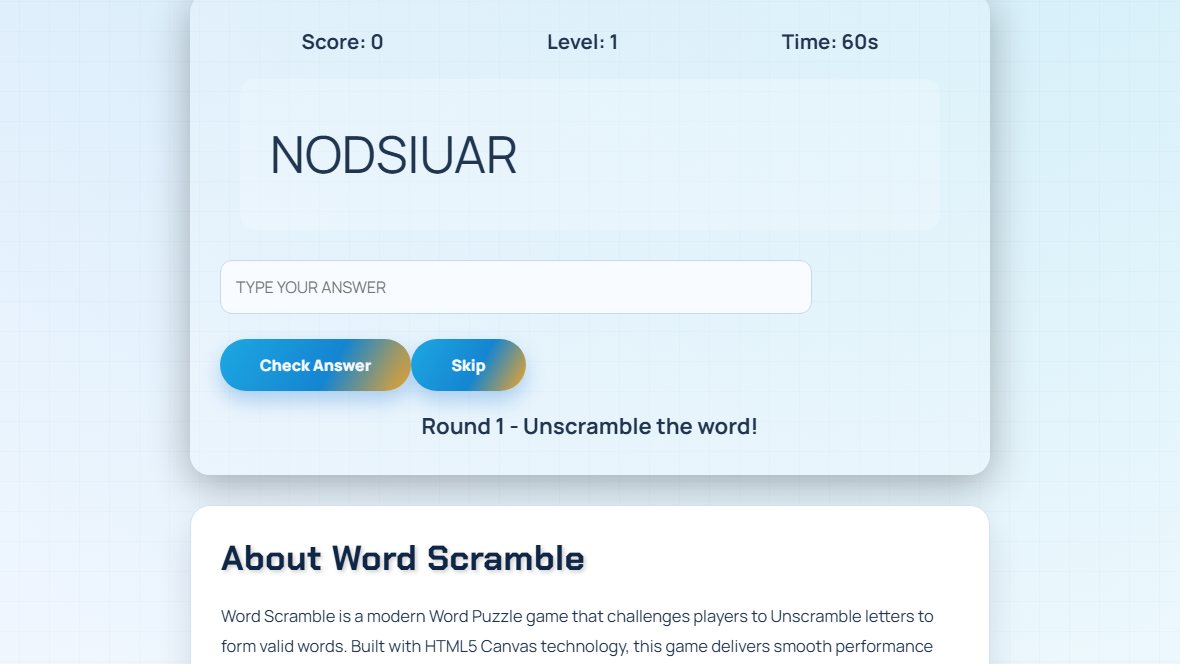
Unscramble letters to form words. Great for vocabulary building and quick brain training.
Puzzle Piece
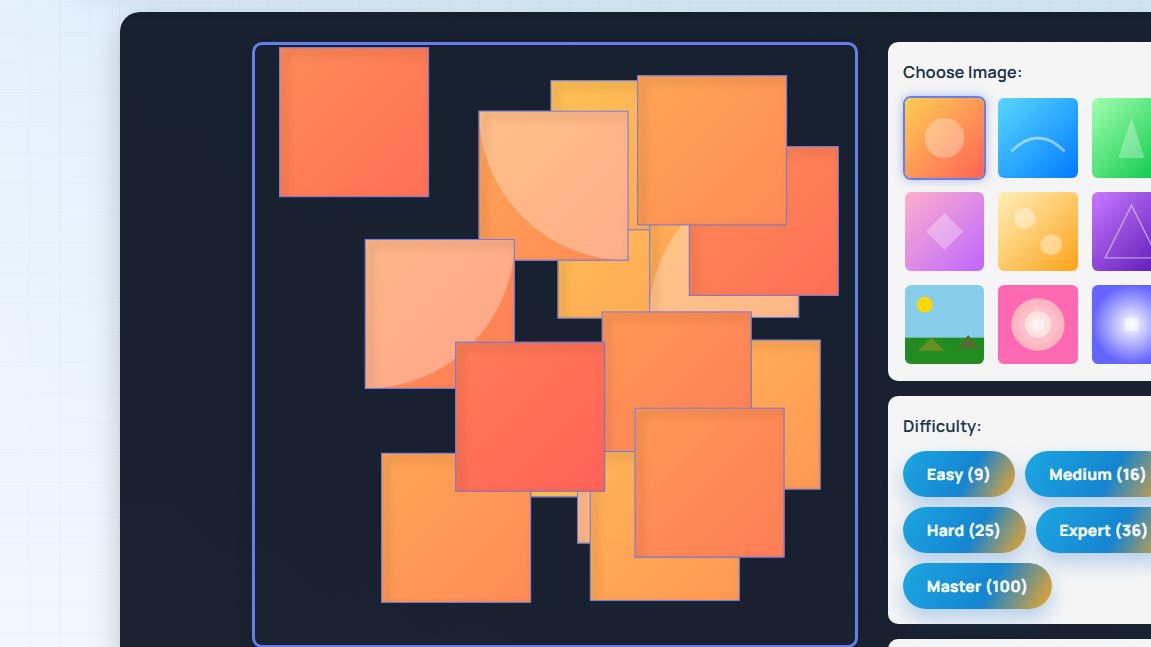
Innovative puzzle mechanics with unique piece shapes and challenging layouts.
Sudoku Puzzle
Classic sudoku with hints, auto-check, and progressive difficulty for all skill levels.