Quick Launch: Word Mode
Need a fast word session? Start with these four picks for daily guessing, crossword rhythm, and vocabulary-driven rounds.
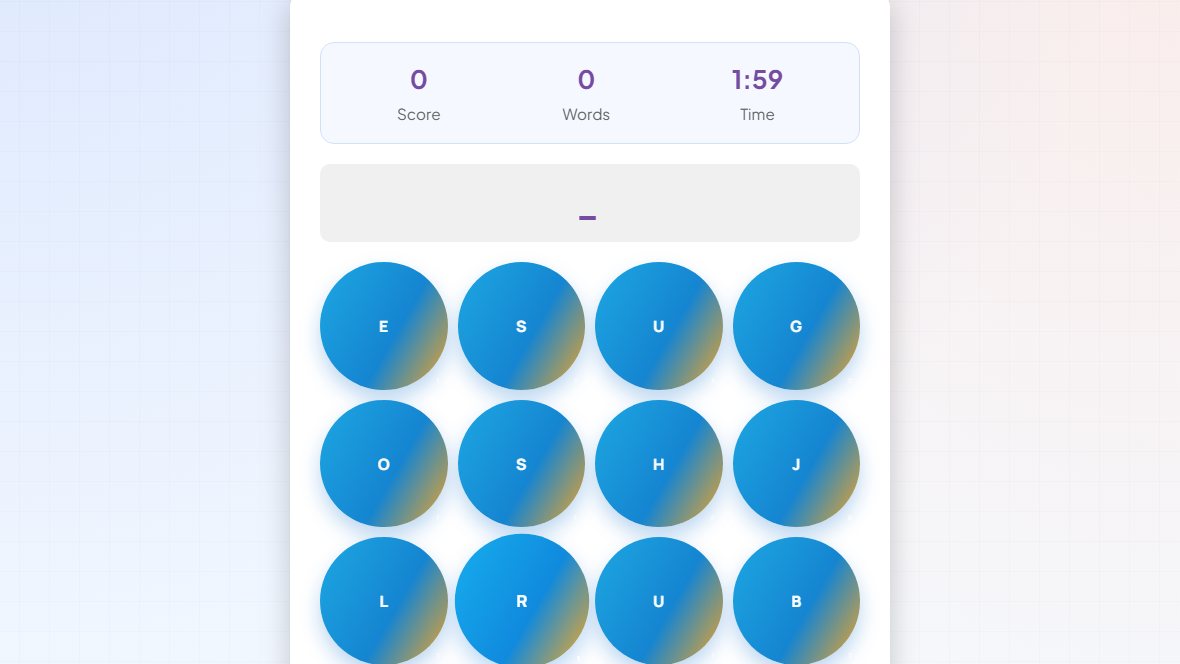
Word Master
Daily-style guessing with strong feedback loops for rapid retries.
Daily Guess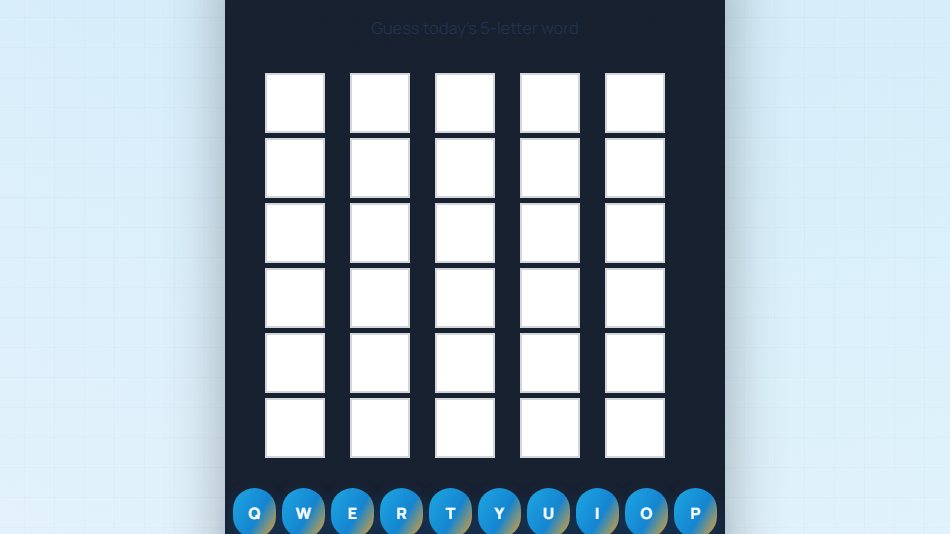
Wordle Clone
Classic elimination strategy with unlimited repeat rounds.
Word Guessing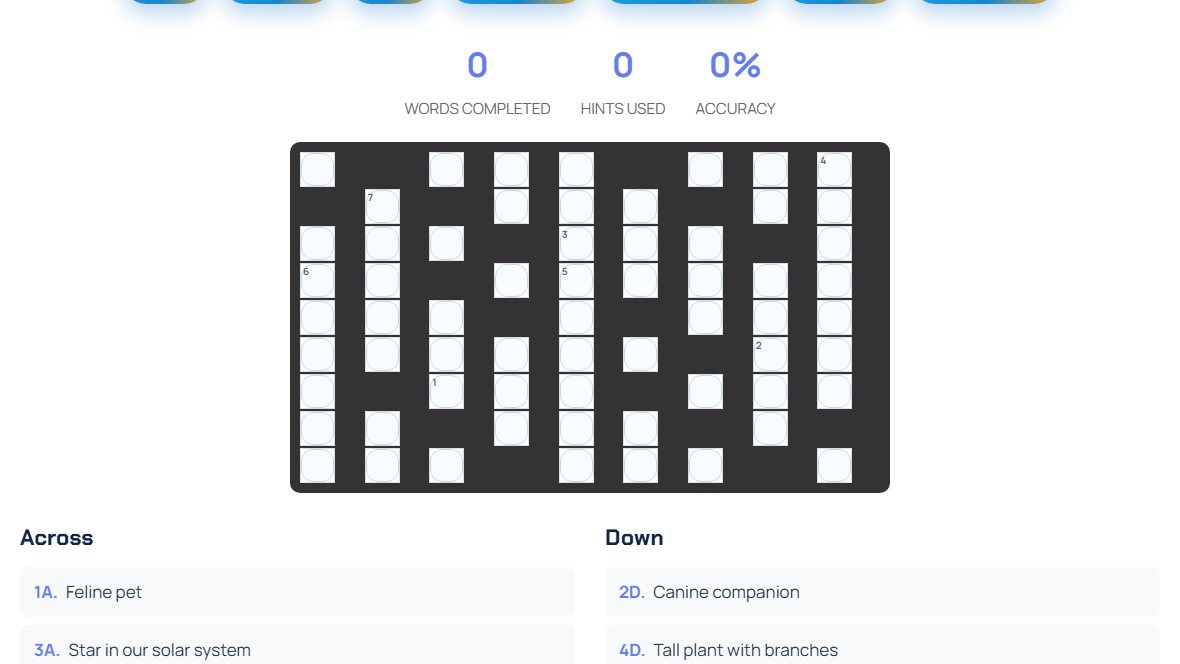
Crossword Puzzle
Clue-and-grid solving for knowledge recall and pattern matching.
Crossword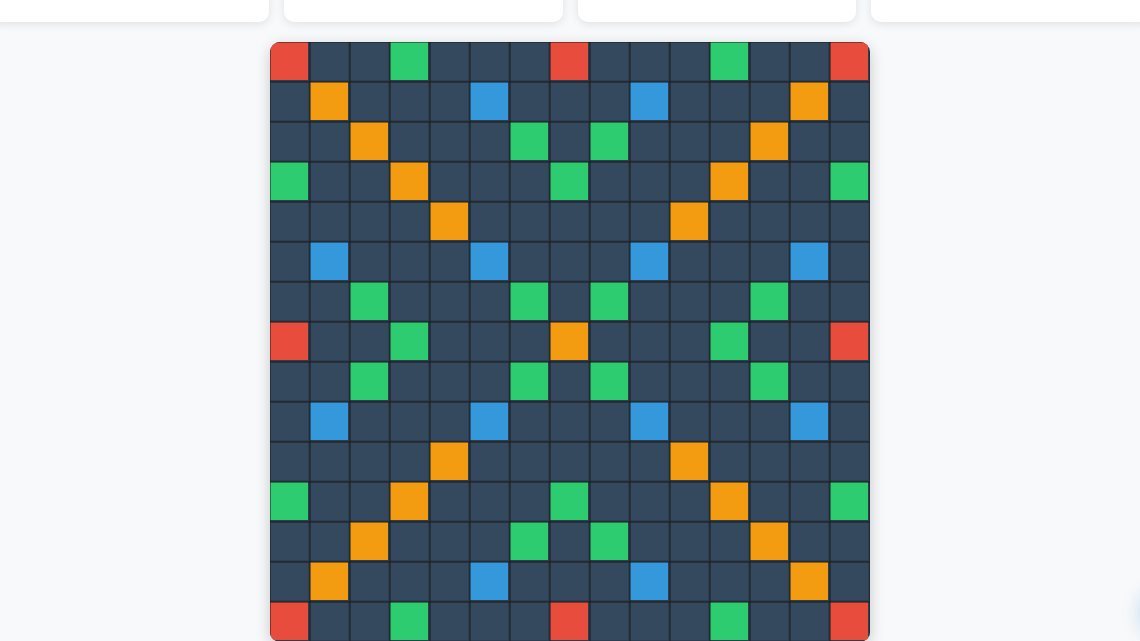
Scrabble
Score-focused word-building with tactical board placement.
Strategy WordFunora's free online word games collection is built for repeatable language practice: guess, verify, and iterate. You can run daily-style rounds, crossword sessions, and board-word strategy games in one place with instant browser launch.
Use the quick-launch cards above for immediate play. Then move into the full word catalog below when you want broader vocabulary training paths and deeper puzzle formats.
Best if you want a clean vocabulary loop without a big time commitment.
Best if you want one strong guessing round that still feels social and familiar.
Best if you want slower clue-solving and a more classic word-game pace.
Featured Word Games
Word Master
Wordle-style word guessing game. Use logic and vocabulary to guess the 5-letter word in 6 attempts with color-coded hints.
Daily Puzzle
Wordle Clone
Classic Wordle experience with unlimited plays. Guess the hidden word using strategic letter placement and elimination.
Word Guessing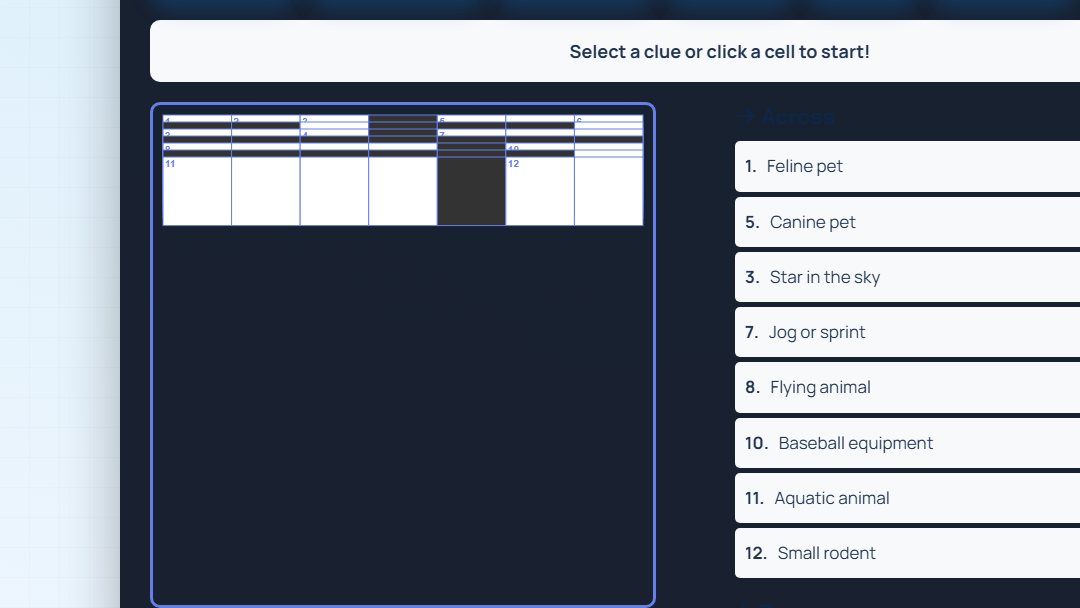
Crossword
Traditional crossword puzzle with intersecting words. Solve clues across multiple categories and difficulty levels.
Classic Puzzle
Crossword Puzzle
Daily crossword challenges with varying themes. Test your general knowledge and vocabulary across diverse topics.
Daily Challenge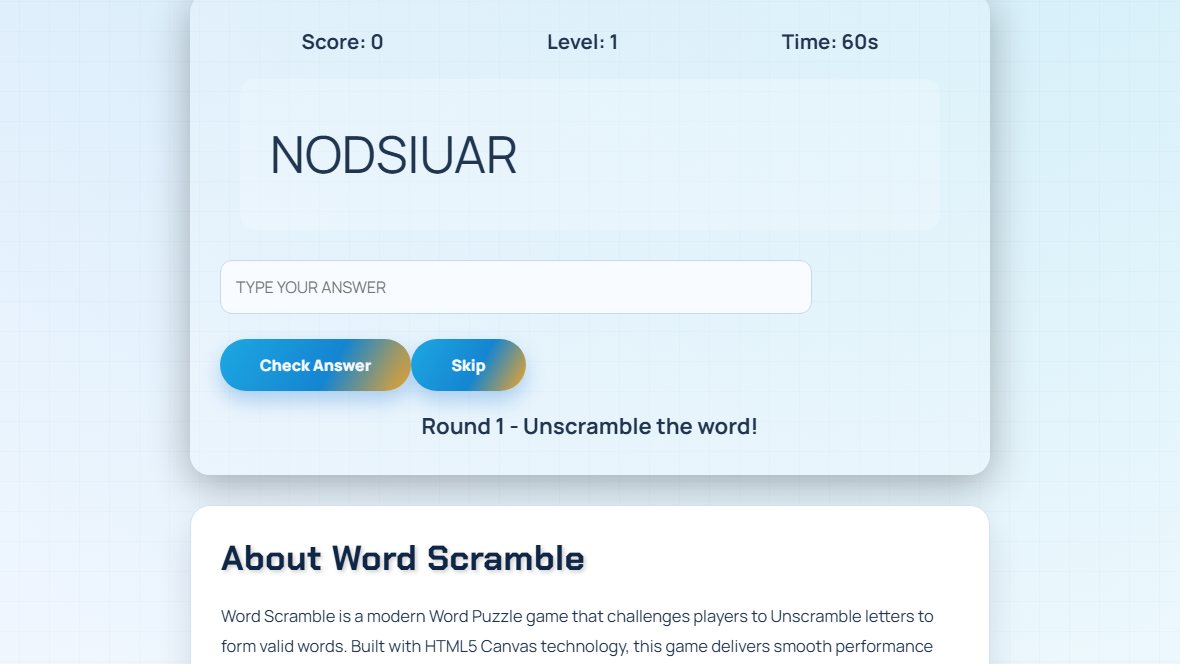
Word Scramble
Unscramble jumbled letters to form valid words. Great for pattern recognition and vocabulary building.
Quick Play
Scrabble
Classic word-building board game. Create high-scoring words using letter tiles and strategic board placement.
StrategyOpen the full word guide Word-game formats, cognitive benefits, and choosing tips stay here when you want the longer version.
Types of Word Games
Word Guessing Games (Wordle-Style)
Word guessing games exploded in popularity when Wordle went viral in late 2021, growing from 90 players to 2+ million daily players in just 8 weeks. The format is elegantly simple: guess a hidden 5-letter word in 6 attempts, receiving color-coded feedback after each guess (green = correct letter and position, yellow = correct letter wrong position, grey = letter not in word). This seemingly simple mechanic creates addictive gameplay combining deductive reasoning, vocabulary knowledge, and strategic thinking. Research shows Wordle and similar games improve pattern recognition by 23%, enhance strategic thinking, and expand vocabularyplayers learn an average of 15 new words monthly. The daily puzzle format creates habitual engagement and social sharing opportunities, with millions comparing scores daily. Variations include unlimited plays, different word lengths (4-7 letters), themed word lists, and multiplayer competitive modes.
🧩 Crossword Puzzles
Crossword puzzles have reigned as the world's most popular word game since Arthur Wynne created the first one in 1913 for the New York World newspaper. Modern crosswords feature grids of white and black squares where players fill in intersecting horizontal and vertical words based on numbered clues. The genius of crosswords lies in their self-checking natureoverlapping letters mean mistakes cascade, while correct answers provide helpful hints for crossing words. Difficulty ranges from Monday (easy, straightforward definitions) to Saturday (cryptic clues, wordplay, obscure knowledge) in the New York Times difficulty scale adopted industry-wide. Regular crossword solving provides exceptional cognitive benefits: a landmark 2011 study published in the Journal of the International Neuropsychological Society found crossword puzzlers delayed memory decline by 2.54 years. Crosswords uniquely combine vocabulary knowledge, general knowledge across dozens of domains (pop culture, science, history, literature), pattern recognition, and problem-solvingexercising more brain regions simultaneously than most single activities.
Word Search Puzzles
Word search puzzles (also called word finds or word seeks) hide words horizontally, vertically, diagonally, and sometimes backwards within letter grids. Players identify and circle/highlight words from a provided list, with unused letters often revealing a hidden message when read in sequence. While seemingly simple, word searches provide valuable cognitive exercisethey train visual scanning, pattern recognition, focus, and vocabulary reinforcement. A University of Michigan study found word searches particularly effective for children ages 7-12, improving spelling retention by 34% compared to rote memorization. Word searches serve as excellent introductory word games for younger players (ages 6+) while remaining enjoyable for adults seeking relaxing, low-pressure puzzles. Themed word searches (holiday, educational topics, pop culture) double as learning tools, making them popular in classrooms for vocabulary introduction. Advanced variations include word searches without word lists (find all valid words) and cryptic word searches where players must deduce the word list from clues.
🎲 Scrabble & Word-Building Games
Scrabble, invented in 1938 by Alfred Mosher Butts, remains the gold standard for competitive word games with 150+ million sets sold worldwide. Players draw letter tiles and form intersecting words on a 15x15 grid, earning points based on letter values and premium board squares (double/triple letter and word scores). Scrabble excels at combining vocabulary knowledge, strategic planning, probability calculation (managing tile distribution), and spatial reasoning. Competitive Scrabble players memorize word lists totaling 100,000+ valid words, including obscure 2-letter words essential for tight board positions. Research shows Scrabble players develop exceptional vocabularytournament players average 50% higher scores on standardized vocabulary tests than the general population. The game teaches valuable skills including risk assessment (play now or hold tiles for better opportunities), resource management, and adaptability. Digital versions add features like word validity checking, score calculation, and AI opponents calibrated to different skill levels, making the game more accessible to newcomers while preserving competitive depth.
Anagrams & Word Scrambles
Anagram games and word scrambles challenge players to rearrange letters to form new words. Simple scrambles present jumbled letters of a single word (e.g., "THOMU" -> "MOUTH"), while advanced anagram challenges involve finding multiple words from a letter set or creating the longest possible word. These games train mental flexibility, pattern recognition, and vocabulary recall under time pressure. Anagram skills transfer remarkably well to other areasstudies show regular anagram solvers demonstrate 28% faster mental rotation abilities and improved creativity in unrelated tasks. The cognitive mechanism involves "breaking set"overcoming initial incorrect pattern recognition to discover hidden solutions. Educational applications include teaching spelling patterns (recognizing common letter combinations like -ING, -TION), expanding vocabulary through exposure to uncommon words, and reinforcing letter-sound relationships. Timed anagram challenges add exciting pressure, while untimed versions provide meditative word exploration. Multi-round anagram games often increase difficulty progressively, starting with 4-letter scrambles and advancing to 10+ letter challenges that may have dozens of possible solutions.
💡 Word Association & Vocabulary Builders
Word association games and vocabulary builders focus explicitly on expanding word knowledge and understanding relationships between words. Formats include synonym/antonym matching, word definition challenges, word categorization (group words by theme), and association chains (connect words through logical relationships). These games transition word learning from passive recognition to active recallthe most effective method for long-term retention. A Harvard Educational Review meta-analysis found active vocabulary games improve word retention by 67% compared to traditional definition memorization. Educational vocabulary games often incorporate spaced repetition algorithms that prioritize reviewing words just before you'd forget them, optimizing long-term memory formation. Adaptive difficulty systems identify weak areas and provide targeted practice, making these games especially valuable for students preparing for standardized tests (SAT, GRE, TOEFL) or English language learners building foundational vocabulary. Gamification elements like point systems, achievement badges, and progress tracking transform potentially tedious vocabulary study into engaging entertainment.
Benefits of Playing Word Games
- Expanded Vocabulary and Language Skills: Word games are unmatched for vocabulary development. Research from the University of Michigan found participants who played word games 3+ times weekly learned an average of 120 new words over 6 monthsdouble the control group. Each crossword puzzle exposes players to 300-500 unique words with contextual clues aiding retention. Scrabble players develop specialized vocabulary knowledge, with competitive players mastering 100,000+ valid words. The key advantage is contextual learningencountering new words within puzzles provides memory anchors superior to flashcard memorization. Vocabulary expansion improves reading comprehension, writing quality, professional communication, and academic performance across all subjects.
- Improved Spelling and Grammar: Regular word game play dramatically improves spelling accuracy through repeated visual exposure to correct word forms. A longitudinal study of elementary students found those who played word games 4+ times weekly showed 34% fewer spelling errors and 28% better grammar usage than non-players. The improvement mechanism involves strengthening visual word recognitionfrequent exposure to correctly-spelled words creates mental templates that flag misspellings automatically. Crosswords particularly reinforce spelling because incorrect spellings break intersecting words, providing immediate feedback. This skill transfers directly to academic writing, professional communication, and reduces embarrassing errors in emails and documents.
- Enhanced Verbal Fluency and Communication: Word games strengthen verbal fluencythe ability to quickly retrieve words from memory during conversation and writing. Brain imaging studies show word game players demonstrate 35% faster word retrieval and access 25% more synonyms when describing concepts. This translates to more articulate speech, varied writing vocabulary, and improved ability to express nuanced ideas. Professionals report word game skills improve presentation delivery, negotiation effectiveness, and written communication clarity. The enhancement works through strengthening neural pathways connecting semantic memory (word meanings) with phonological processing (word sounds/spelling), accelerating the mental search process when you need the perfect word.
- Better Memory and Cognitive Function: Word puzzles provide exceptional memory training, strengthening both short-term working memory (holding clues and partial answers) and long-term memory (vocabulary knowledge, general knowledge). A landmark University of Exeter study tracking 19,000 adults over 10 years found daily word puzzle players maintained memory function equivalent to 10 years younger on standardized tests. The cognitive benefits extend beyond verbal memorypattern recognition from word searches improves visual memory, strategic thinking from Scrabble enhances planning abilities, and time-pressure word games increase processing speed. These improvements create cognitive reserve that protects against age-related decline and reduces dementia risk by up to 47% according to the ACTIVE cognitive training study.
- Delayed Cognitive Decline and Dementia Prevention: Word games stand among the most effective activities for maintaining cognitive health in aging. The 20-year ACTIVE study of 2,800 seniors found participants who regularly solved word puzzles maintained reasoning abilities, processing speed, and memory significantly better than control groups. Brain imaging reveals word game players show less age-related shrinkage in hippocampus and prefrontal cortexregions critical for memory and executive function. A 2019 meta-analysis concluded regular word puzzle engagement reduces Alzheimer's risk by 47% and delays onset by an average of 2.5 years. The protection likely stems from cognitive reservebuilding robust neural networks through mental challenges that compensate for age-related neuron loss.
- Stress Reduction and Mental Relaxation: While often mentally challenging, word games paradoxically reduce stress through engaging flow states and mindful focus. A study published in the American Journal of Alzheimer's Disease found 30 minutes of word puzzles reduced cortisol (stress hormone) levels by 25% and increased self-reported relaxation ratings by 67%. The mechanism involves task-positive attentionfocusing on puzzles disengages the default mode network responsible for rumination and worry. Word games also provide accomplishment and mastery experiences that boost mood and self-efficacy. Many players incorporate crosswords or word searches into daily relaxation routines alongside coffee or tea, creating positive rituals that signal transition from work stress to personal time.
- Academic Performance and Test Preparation: Word games directly improve academic outcomes, especially in language arts and standardized testing. Students who play word games 3+ times weekly show 15% higher reading comprehension scores, 22% better vocabulary test results, and 18% improved writing quality according to a 2018 educational meta-analysis. The benefits extend beyond English classstronger vocabulary improves learning across all subjects because disciplinary knowledge requires mastering specialized terminology. For standardized test preparation, word games provide more engaging practice than traditional study methodsstudents average 40% more study time with game-based vocabulary building versus flashcards, leading to superior retention and higher test scores. Scrabble particularly helps with SAT/GRE preparation, exposing players to exactly the obscure vocabulary these tests favor.
- Social Connection and Family Bonding: While many word games are solitary, collaborative solving and friendly competition create valuable social experiences. Family crossword nights, Scrabble tournaments, and comparing daily Wordle scores build connections across generations. A 2020 survey found 43% of word game players report the activity facilitated meaningful conversations with family members, while 67% made new friends through word game communities. Online word game forums and multiplayer platforms connect millions of language enthusiasts globally, providing social support and shared identity. For isolated individualsseniors, remote workers, people with mobility limitationsonline word games offer accessible social interaction and intellectual challenge that combat loneliness and maintain quality of life.
How to Choose the Right Word Game
Selecting the ideal word game depends on your goals, skill level, and time availability. Here's a comprehensive guide to finding your perfect match:
For Vocabulary Building & Learning
Choose crossword puzzles, Scrabble, and vocabulary quiz games. Crosswords expose you to 300-500 words per puzzle with contextual clues aiding retention. Scrabble encourages exploring unusual words for high scores. Start with easy-difficulty crosswords and gradually increase challenge as vocabulary expands. Supplement with word definition games that focus on active recall rather than passive recognition. Track new words learned and review them periodically for long-term retention.
For Quick Mental Breaks (5-10 Minutes)
Select Wordle-style guessing games, word scrambles, or quick word searches. These provide satisfying mental stimulation during coffee breaks, commutes, or transitions between tasks. Wordle's one-puzzle-per-day limit creates perfect portion control, while unlimited word scrambles allow flexible session lengths. Quick word games refresh mental energy and improve focus when returning to workstudies show 5-minute word puzzle breaks increase productivity by 12% compared to passive rest.
For Deep Engagement (30+ Minutes)
Opt for challenging crosswords, competitive Scrabble, or large word searches. These provide extended mental engagement and the satisfying "flow state" where time disappears. Difficult crosswords require research, lateral thinking, and persistenceperfect for weekend puzzle sessions. Multiplayer Scrabble adds social and competitive elements for hours of entertainment. Look for puzzles with themes, patterns, or narratives that increase engagement beyond simple word-finding.
For Standardized Test Preparation
Focus on Scrabble, advanced crosswords, and vocabulary-building games. These games naturally emphasize the obscure, high-value words favored by SAT, GRE, and other standardized tests. Competitive Scrabble word lists (TWL, SOWPODS) overlap significantly with test vocabulary. Create custom word lists from practice tests and use anagram games for active reinforcement. Aim for 20-30 minutes dailymore effective than marathon cramming sessions.
For Family & Social Play
Choose Scrabble, collaborative crosswords, or team-based word challenges. These games support multiple players and create opportunities for teaching, learning, and friendly competition. Family Scrabble accommodates skill differences through handicapping or team play. Collaborative crossword solving (family members contribute different knowledge areas) builds communication and teamwork. Word games excel at creating screen-free family time that's educational and entertaining.
Ready to Expand Your Vocabulary?
Explore our complete collection of 20+ free word games. Build vocabulary, improve spelling, and challenge your mind!
Browse All GamesFrequently Asked Questions
What are word games?
Word games are puzzles and challenges centered around language, vocabulary, spelling, and wordplay. They include word guessing games (Wordleguess a hidden word using clues), crossword puzzles (fill intersecting words based on definitions), word searches (find hidden words in letter grids), anagrams (rearrange letters to form words), Scrabble-style word-building games (create words on a board for points), word scrambles (unscramble jumbled letters), and vocabulary builders (learn word meanings and usage). Word games range from quick 2-minute challenges to hour-long puzzles, suitable for all ages and skill levels. They exercise linguistic skills including vocabulary, spelling, pattern recognition, and verbal reasoning while providing entertaining gameplay that makes learning feel like play rather than work.
Are word games good for your brain?
Yes, extensive research confirms word games provide exceptional cognitive benefits including significantly expanded vocabulary (15-20% increase in word knowledge over 6 months), improved spelling and grammar accuracy, enhanced verbal fluency (faster word retrieval35% improvement), better memory (both short-term and long-term), delayed cognitive decline (brain function 10 years younger in regular players), and reduced dementia risk (47% lower Alzheimer's incidence). The University of Exeter's 2019 study tracking 19,000 adults over 10 years found daily word puzzle solvers maintained reasoning, attention, and memory equivalent to people 10 years younger. Word games uniquely exercise language centers, semantic memory, pattern recognition, and strategic thinking simultaneously, creating robust neural networks that protect against age-related decline.
What is the most popular word game?
Popularity varies by era and demographic, but several word games achieve exceptional reach. Wordle became the most viral word game in history, exploding from 90 players (November 2021) to 2+ million daily players (January 2022) before The New York Times acquisition. Crossword puzzles remain the most enduring word game with 50+ million Americans solving regularly and 95% of newspapers featuring them. Scrabble has sold 150+ million sets worldwide since 1938 and supports competitive play in 120+ countries. Word Search puzzles appear in 95% of puzzle books and magazines. Each format appeals to different preferencesWordle for viral daily challenges, crosswords for intellectual depth, Scrabble for competitive strategy, and word searches for relaxing pattern-finding.
Can I play word games for free online?
Absolutely! Funora provides 20+ premium word games completely free with no downloads, no registration, and no hidden costs. All games are HTML5-based and run directly in your web browser on desktop computers, tablets, and smartphones. Unlike many "free" sites with daily limits, subscription paywalls, or premium features, our word games offer unlimited access to full-featured gameplay. You can play Wordle-style guessing games, crossword puzzles, word searches, Scrabble variants, word scrambles, and vocabulary builders as many times as you want, whenever you want. We support free gaming through ethical advertising, ensuring you get professional-quality word games without spending a penny.
Do word games improve vocabulary?
Yes, research overwhelmingly confirms word games significantly expand vocabulary. A University of Michigan longitudinal study found participants who played word games 3+ times weekly learned an average of 120 new words over 6 monthsdouble the control group who used traditional vocabulary study methods. Crossword puzzles expose players to 300-500 unique words per puzzle, with contextual clues aiding retention far better than flashcard memorization. Scrabble players develop exceptional vocabularycompetitive players know 100,000+ valid words compared to average adults' 20,000-35,000 word vocabulary. The key is varietyrotating between different word game types (crosswords for contextual learning, Scrabble for unusual words, Wordle for common words, vocabulary builders for definitions) maximizes vocabulary growth across multiple domains and usage contexts.
What age group are word games suitable for?
Word games suit all ages with appropriate difficulty selection. Elementary students (ages 6-10) benefit from simple word searches, basic crosswords, and spelling games that reinforce classroom vocabulary and phonics instructionstudies show 34% improvement in spelling retention. Middle school and high school students (11-18) can tackle standard-difficulty crosswords, Wordle, Scrabble, and word scrambles that build vocabulary for academic success and test preparation. Adults (18+) enjoy full-difficulty crosswords, competitive Scrabble, and challenging word puzzles for entertainment and cognitive maintenance. Seniors (50+) particularly benefitresearch shows word game players maintain verbal skills 10-15 years longer than non-players and show 47% reduced dementia risk. Our collection offers adjustable difficulty from beginner (age 7+ with basic reading skills) through expert (collegiate vocabulary level).