Quick Launch: Action Mode
Start with these fast rounds first. They are tuned for instant play and short retry loops before you dive into the full action guide.
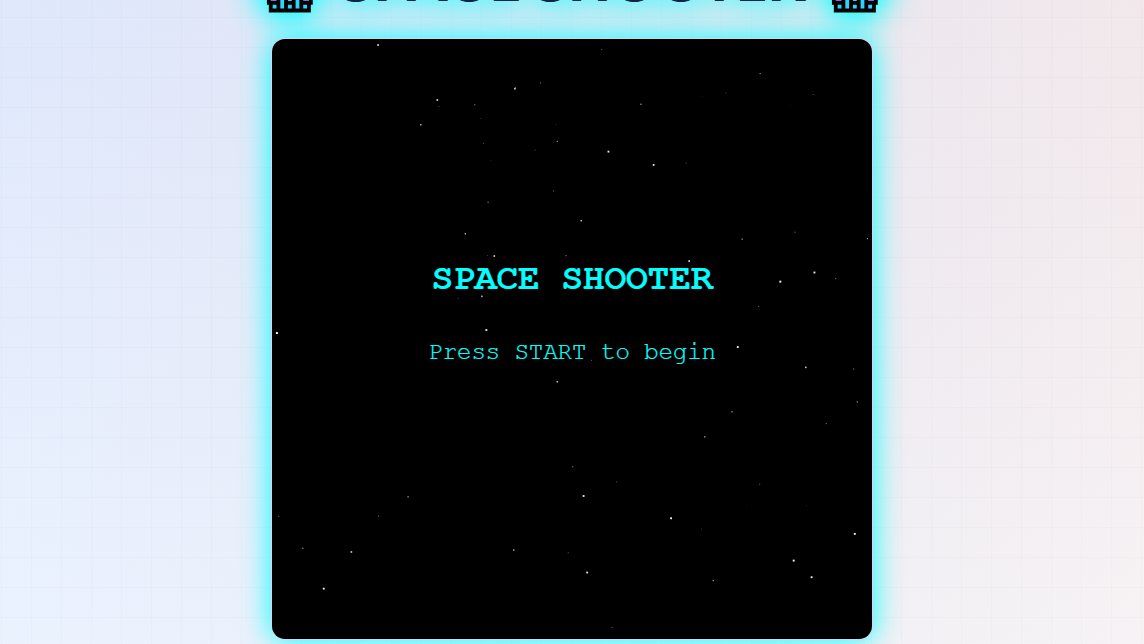
Space Shooter
Immediate arcade pressure with enemy waves and power-up chaining.
Fast Shooter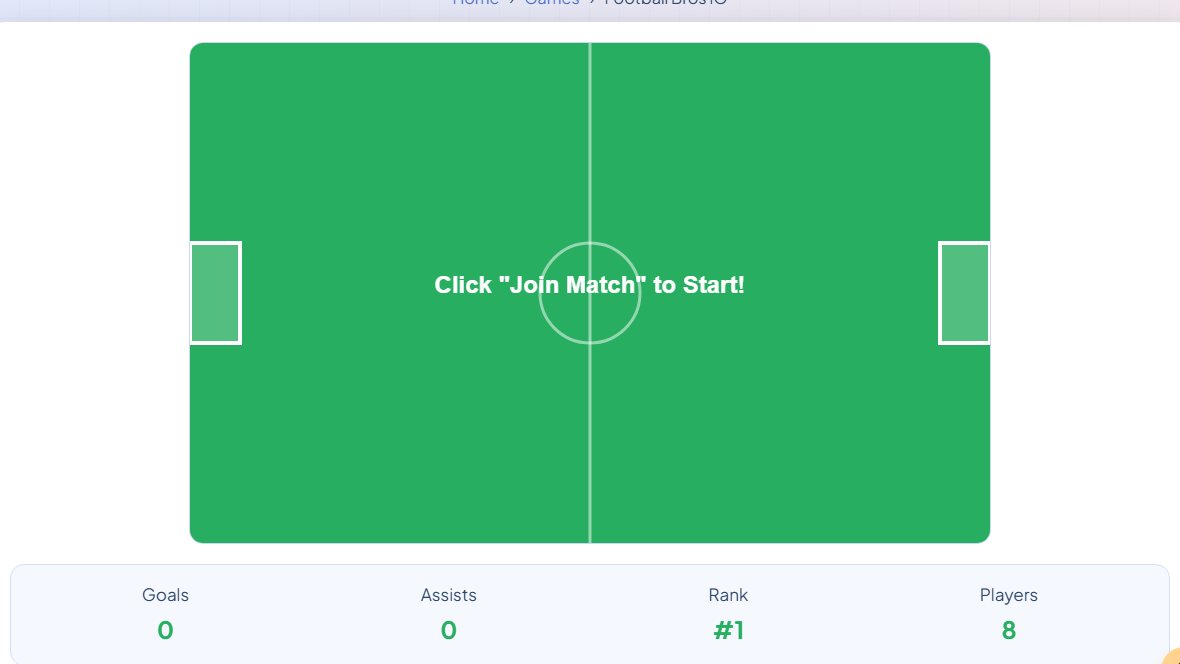
Football Bros IO
Competitive action rounds built for quick rematch flow.
Competitive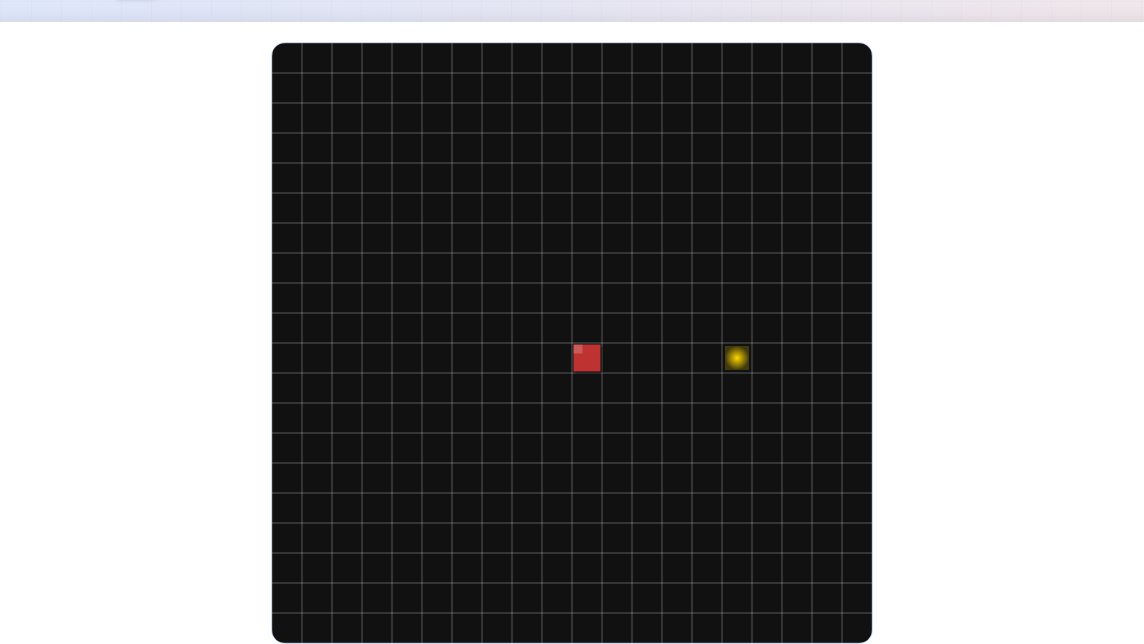
Snake 3D
Classic survival loop with higher-speed 3D board control.
Reflex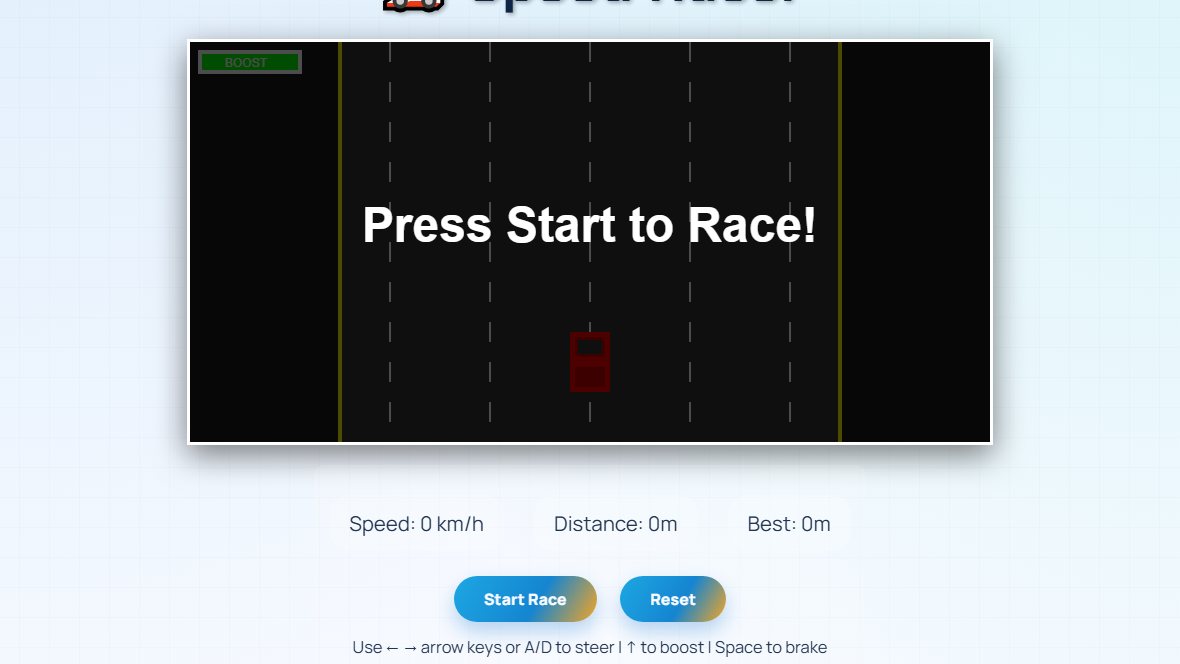
Speed Racer
High-tempo race lines, tight turns, and no-friction restart.
Racing ActionFunora's free online action games category focuses on instant pressure loops: launch, react, retry, improve. You can jump from shooters and racing titles to arcade survival and .io competition without downloads or setup.
Use the quick-launch cards above when you want immediate gameplay, then scroll into the full catalog and genre breakdown if you want deeper picks, strategy styles, and progression paths.
Best if you want immediate pressure and a clean arcade loop in under 10 seconds.
Best if you want short retry rounds and reflex-heavy control without reading rules.
Best if you want quick action rounds that still feel good on smaller screens.
Featured Action Games
Space Shooter
Classic arcade-style space shooter with enemy waves, power-ups, and epic boss battles. Blast through asteroids and alien invaders!
Shooter
Bubble Shooter
Addictive bubble-popping action game. Match 3+ bubbles to clear the board. Precision aiming meets strategic planning.
Arcade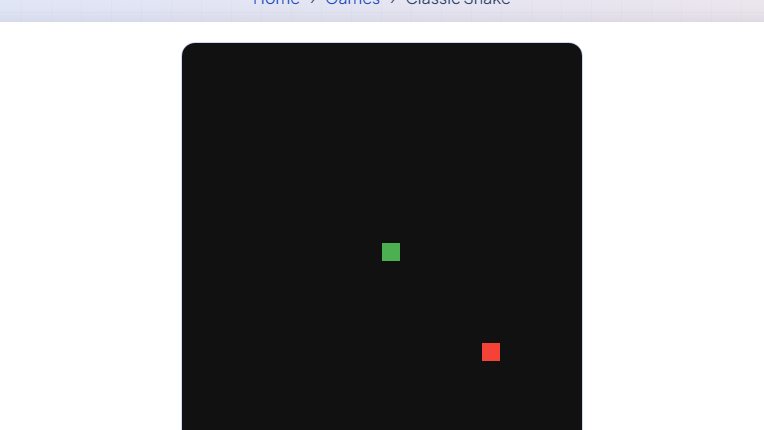
Snake
The legendary mobile game that started it all. Grow your snake, avoid walls, and chase the high score in this timeless classic.
Classic
Snake 3D
Modern 3D remake of the classic Snake game. Navigate a three-dimensional arena with stunning graphics and smooth controls.
3D Action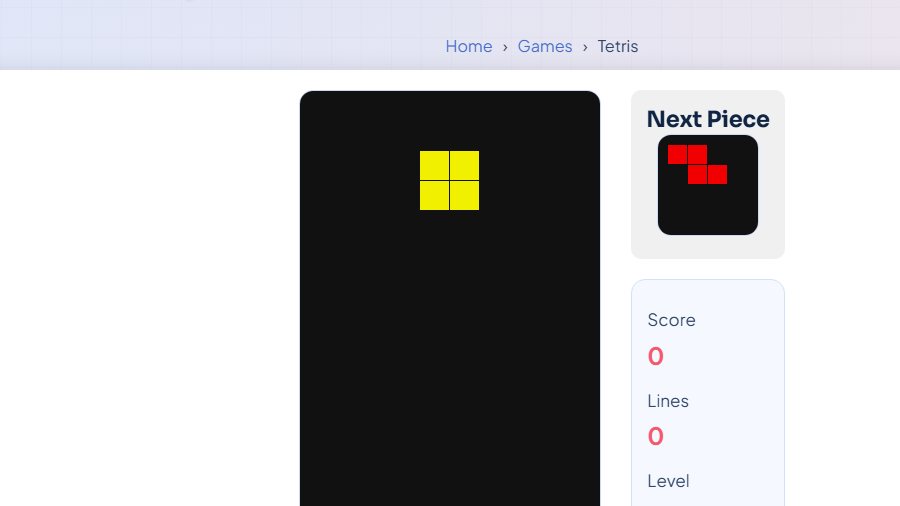
Tetris
The most famous puzzle-action hybrid ever created. Stack falling blocks, clear lines, and beat your personal best.
Puzzle-Action
Speed Racer
High-speed racing action with intense competition. Dodge traffic, collect power-ups, and race to the finish line.
RacingOpen the full action guide Genre breakdowns, benefits, and choosing tips stay here when you want the longer read.
Types of Action Games
🎯 Shooter Games
Shooter games form the cornerstone of action gaming, tracing their roots to 1978's Space Invaders, which grossed $3.8 billion and became the highest-earning entertainment product of its time. Modern browser shooters include top-down shooters (bird's-eye perspective, exemplified by classic arcade games), side-scrolling shooters (navigate left-to-right while avoiding bullets), and first-person shooters (immersive perspective). These games emphasize accuracy, timing, and pattern recognition. Scientific studies from the University of Toronto found that 10 hours of shooter gameplay improved visual attention by 43% and peripheral vision awareness by 58%. Popular mechanics include enemy wave systems, power-up collection, boss battles, and score multipliers that reward precision and risk-taking.
🦘 Platformer Games
Platformer games revolutionized action gaming in 1985 when Super Mario Bros sold 40+ million copies, establishing the template for jump-based gameplay. Platform games challenge players to navigate environments by running, jumping, and avoiding obstacles and enemies. Key mechanics include double-jumps, wall-jumps, moving platforms, hazard avoidance, and precise timing. Modern browser platformers range from puzzle-platformers (emphasizing brain over brawn) to action-platformers (fast-paced combat and traversal). Research shows platformers improve spatial reasoning by 32% and enhance motor planning skills, making them popular in occupational therapy for hand-eye coordination development. The genre appeals to players who enjoy mastering movement mechanics and discovering hidden secrets.
Fighting & Beat-em-up Games
Fighting games and beat-em-ups emphasize combat mechanics, combo systems, and timing-based attacks. Classic beat-em-ups involve side-scrolling action where players battle waves of enemies using punches, kicks, and special moves. Modern fighting games feature one-on-one battles with complex move lists, blocking mechanics, and strategic depth. These games develop reaction times (25% improvement in 6 weeks of regular play), teach pattern recognition (predicting opponent moves), and improve decision-making under pressure. Competitive fighting games have evolved into esports with millions in prize pools, while casual browser fighters remain accessible to newcomers. The genre's learning curveeasy to start, challenging to mastercreates engaging progression for all skill levels.
.IO Multiplayer Action Games
.IO games represent the newest evolution of action gaming, starting with Agar.io's viral success in 2015 (attracting 100 million players in 6 months). These browser-based multiplayer games feature simple controls, instant matchmaking, and competitive gameplay against real players worldwide. Popular .io mechanics include territory control (capture space while avoiding opponents), survival gameplay (outlast other players), growth systems (become larger/stronger by consuming resources), and leaderboard competition. Snake.io and similar variants combine nostalgic gameplay with modern competitive elements. The genius of .io games lies in their accessibilityanyone can play within 5 seconds of loading the pagewhile maintaining sufficient depth to reward skill and strategy.
🗺️ Adventure Action Games
Adventure action games blend exploration, storytelling, and combat into cohesive experiences. Unlike pure action games focused solely on reflexes, adventure-action hybrids incorporate puzzle-solving, item collection, character upgrades, and environmental exploration. These games typically feature progression systems where players unlock new abilities, discover hidden areas, and unravel narrative mysteries. Browser-based adventure games often use point-and-click mechanics, real-time combat, inventory management, and quest systems. The genre appeals to players seeking depth beyond twitch reflexescombining strategic planning with execution skills. Studies show adventure games improve problem-solving abilities by 28% and enhance memory retention through environmental storytelling and landmark navigation.
Arcade & Retro Action
Arcade games represent the purest form of action gamingsimple to understand, difficult to master, endlessly replayable. Born in the 1970s-80s arcade era, these games pioneered concepts still used today: increasing difficulty curves, high score chasing, pattern-based gameplay, and "one more try" addictiveness. Classic arcade action includes games like Pac-Man (most successful arcade game with 400,000 units sold), Pong (first commercially successful video game), and Asteroids (vector graphics masterpiece). Modern browser versions preserve the tight controls and skill-based gameplay while adding features like save systems and online leaderboards. Arcade games excel at providing quick, satisfying sessionsperfect for 5-minute breaks or marathon high-score pursuits. Their minimalist designs make them accessible to all ages while rewarding dedication and pattern mastery.
Benefits of Playing Action Games
- Improved Hand-Eye Coordination: Action games are unmatched for developing motor skills and coordination. Research from the University of Toronto demonstrated that 50 hours of action gaming improved hand-eye coordination by 37% and fine motor control by 42%. Players who regularly engage with action games show faster reaction times (average 10-25% improvement), better tracking of moving objects, and enhanced peripheral vision awareness. These skills transfer directly to real-world activities including driving (faster hazard detection), sports (improved ball tracking), and surgical procedures (laparoscopic surgeons who game make 32% fewer errors).
- Enhanced Visual Attention and Processing: Action games train players to process complex visual information rapidly. A landmark study published in Nature found that action gamers can track up to 30% more objects simultaneously than non-gamers and identify target objects 25% faster in cluttered environments. This "visual attention advantage" develops because action games constantly present multiple threats, power-ups, and environmental hazards requiring rapid assessment. Brain imaging studies show action gaming strengthens the visual cortex and enhances connectivity between attention networks, improving focus in school, work, and daily life.
- Faster Decision-Making Under Pressure: The University of Rochester's cognitive research lab found that action gamers make decisions 25% faster than non-gamers without sacrificing accuracy. Action games create high-pressure scenarios requiring split-second choicesdodge left or right, shoot or conserve ammo, risk or retreat. This trains the brain to evaluate options and commit to decisions rapidly. The skill transfers remarkably wellaction gamers show improved performance in time-critical tasks like emergency response, military operations, and business negotiations where quick thinking determines outcomes.
- Increased Multitasking Abilities: Action games excel at training simultaneous task management. Players must track enemy positions, monitor health/ammo, navigate environments, and execute attacksoften all within seconds. Research shows 50+ hours of action gaming improves multitasking performance by 28% compared to control groups. Brain scans reveal action gamers develop enhanced connectivity in prefrontal regions responsible for task switching and working memory. These benefits help students manage multiple subjects, professionals juggle competing priorities, and seniors maintain cognitive flexibility.
- Better Problem-Solving Skills: While puzzles explicitly train logic, action games develop adaptive problem-solving through dynamic challenges. Players must constantly adjust strategies based on enemy patterns, resource availability, and environmental hazards. This develops flexible thinking and improves the ability to generate solutions under time pressure. Studies show action gamers score 15-20% higher on tests of creative problem-solving and demonstrate superior ability to apply solutions across different contextsa skill called "transfer learning" crucial for academic and career success.
- Stress Relief and Flow State Achievement: Action games provide intense engagement that creates "flow"the psychological state of complete immersion described by psychologist Mihaly Csikszentmihalyi. During flow, stress hormones decrease by up to 30%, replaced by endorphins and dopamine. The combination of clear goals, immediate feedback, and balanced challenge-skill ratio makes action games ideal for achieving flow. Players report 67% reduction in work-related stress after 30-minute action gaming sessions, making these games effective tools for decompression and mental health management.
- Improved Spatial Awareness: Navigation-heavy action games like platformers and 3D shooters significantly enhance spatial reasoningthe ability to mentally manipulate and visualize objects in space. Longitudinal studies show 6 months of action gaming improves spatial skills by 25%, matching the improvements from formal geometry courses. This translates to better performance in STEM fields (architecture, engineering, mathematics), improved navigation in unfamiliar environments, and enhanced ability to follow maps and diagrams. The spatial training from action games even shows potential for reducing age-related decline in spatial cognition.
- Social Connection and Healthy Competition: Multiplayer action games, especially .io games and competitive shooters, create opportunities for social interaction and friendly rivalry. Leaderboard competition motivates improvement, while cooperative action games build teamwork and communication skills. Gaming communities provide social supportstudies show 76% of gamers report friendships formed through gaming. For remote workers and isolated individuals, multiplayer action games offer structured social interaction and shared experiences that combat loneliness and build connections across geographic and cultural boundaries.
How to Choose the Right Action Game
Selecting the perfect action game depends on your skill level, available time, and preferred challenge type. Here's a guide to finding your ideal match:
For Beginners & Casual Players
Start with arcade classics like Snake, Bubble Shooter, or simple platformers. These games feature intuitive one-button or arrow-key controls, gradual difficulty progression, and forgiving mechanics perfect for learning action game fundamentals. Arcade games provide quick 5-10 minute sessions ideal for breaks, with instant restart after failure encouraging skill development without frustration.
For Intermediate Players
Progress to modern shooters, complex platformers, or competitive .io games. These require better timing, pattern recognition, and strategic resource management. Intermediate action games introduce combo systems, multiple enemy types, power-up choices, and scoring multipliers that reward skilled play. Session length typically ranges 15-30 minutes, perfect for dedicated practice and skill refinement.
For Advanced & Competitive Players
Challenge yourself with difficult platformers, bullet-hell shooters, or ranked multiplayer .io games. These games feature precise controls, complex mechanics, high skill ceilings, and global leaderboards. Advanced action games often include speed-running potential, perfect-play challenges, and competitive rankings that provide endless replayability. Mastery requires 50+ hours but delivers deep satisfaction and tangible skill progression.
For Stress Relief & Relaxation
Paradoxically, some action games excel at stress reduction through engaging flow states. Choose rhythm-based action games, meditative shooters with predictable patterns, or casual arcade games without time pressure. Avoid competitive multiplayer or punishingly difficult games when seeking relaxation. The key is games that provide satisfying challenges without frustrationthe "Goldilocks zone" where difficulty perfectly matches your current skill level.
For Social Gaming
Select multiplayer .io games, cooperative shooters, or competitive arcade games with shareable scores. These games support real-time interaction with friends or strangers worldwide. Multiplayer action games work excellently for virtual hangouts, family game nights, or office break room competitions. Look for games with quick matchmaking, fair gameplay mechanics, and accessible skill floors that welcome newcomers.
Ready for Action-Packed Fun?
Explore our complete collection of 50+ free action games. Instant play, no downloads, pure excitement!
Browse All GamesFrequently Asked Questions
What are action games?
Action games are video games that emphasize physical challenges, hand-eye coordination, quick reflexes, and real-time decision-making. This broad genre includes shooters (Space Invaders, bullet-hell games), platformers (jumping and running games), fighting games (one-on-one combat), beat-em-ups (brawling against enemy hordes), and adventure-action hybrids. Unlike strategy or puzzle games that allow contemplation, action games demand immediate responses to threats, obstacles, and challenges. The defining characteristics are fast-paced gameplay, skill-based progression, and gameplay loops that reward timing, accuracy, and reaction speed over knowledge or planning.
Are action games good for you?
Research overwhelmingly confirms that action games provide significant cognitive and physical benefits when played in moderation. Studies document improvements including 25% faster reaction times, 30% better hand-eye coordination, 43% enhanced visual attention, 28% improved multitasking ability, and 35% faster decision-making under pressure. The University of Rochester found action gaming strengthens brain regions responsible for spatial navigation, attention control, and sensory-motor coordination. However, the key is moderationexperts recommend 1-2 hours daily for maximum benefits. Excessive gaming (4+ hours daily) shows diminishing returns and potential negative effects on sleep, physical health, and social relationships.
What is the most popular action game?
Popularity varies by platform, era, and demographic, but certain action games achieve universal recognition. Historically, Pac-Man (1980) became the most successful arcade game with 400,000 units sold and $14 billion in revenue. Tetris (1984) claims 495 million sales across platforms, making it the best-selling video game ever. In modern gaming, battle royale games like Fortnite dominate with 350+ million registered players. For browser-based free action games, Snake and Tetris remain timeless favorites with billions of plays, while newer .io games like Snake.io and Agar.io attract millions of daily players through simple yet addictive competitive gameplay.
Can I play action games for free online?
Absolutely! Funora provides 50+ premium-quality action games completely free with no hidden costs, downloads, or registration requirements. All games are HTML5-based and run directly in your web browser on any devicedesktop computers, laptops, tablets, or smartphones. Unlike many "free" games with paywalls or limited plays, our action games offer unlimited gameplay with no time restrictions, no energy systems, and no premium currency. We support free gaming through ethical advertising, ensuring you enjoy full-featured action experiences without spending a penny. Simply visit our site, click a game, and start playing within seconds!
What age group are action games suitable for?
Action games span all age groups with appropriately-rated content. Simple action games like bubble shooters and basic platformers suit children 6-8+, developing motor skills and coordination through age-appropriate challenges. Intermediate action games (ages 9-12) introduce more complex mechanics and faster pace while maintaining family-friendly content. Teen-rated action games (13+) offer sophisticated challenges and competitive elements. Our collection focuses on E (Everyone) and E10+ rated games suitable for ages 8+, avoiding graphic violence, explicit content, or inappropriate themes. Many action games also appeal to adults seeking nostalgic arcade experiences or stress-relieving gameplay, making them truly all-ages entertainment when properly selected.
Do action games improve reflexes?
Yes, extensive research confirms action games significantly improve reflexes and reaction times. A comprehensive meta-analysis of 80+ studies found action gamers respond to stimuli 10-20% faster than non-gamers, with improvements transferring to real-world situations. The University of Rochester's landmark study demonstrated that just 50 hours of action gaming improved visual reaction time by 25% and decision speed by 35%. Brain imaging reveals action gaming increases grey matter in brain regions controlling hand-eye coordination and enhances neural connectivity in motor pathways. These improvements benefit real-world activities including driving (faster hazard responseaction gamers have 22% fewer accidents), sports (quicker athletic reactions), and professional tasks requiring rapid responses. The reflex improvements persist for months after gaming stops, suggesting lasting neural adaptations.
More Action Adventures
Football Bros IO
Multiplayer soccer action with competitive gameplay. Score goals against real players worldwide!
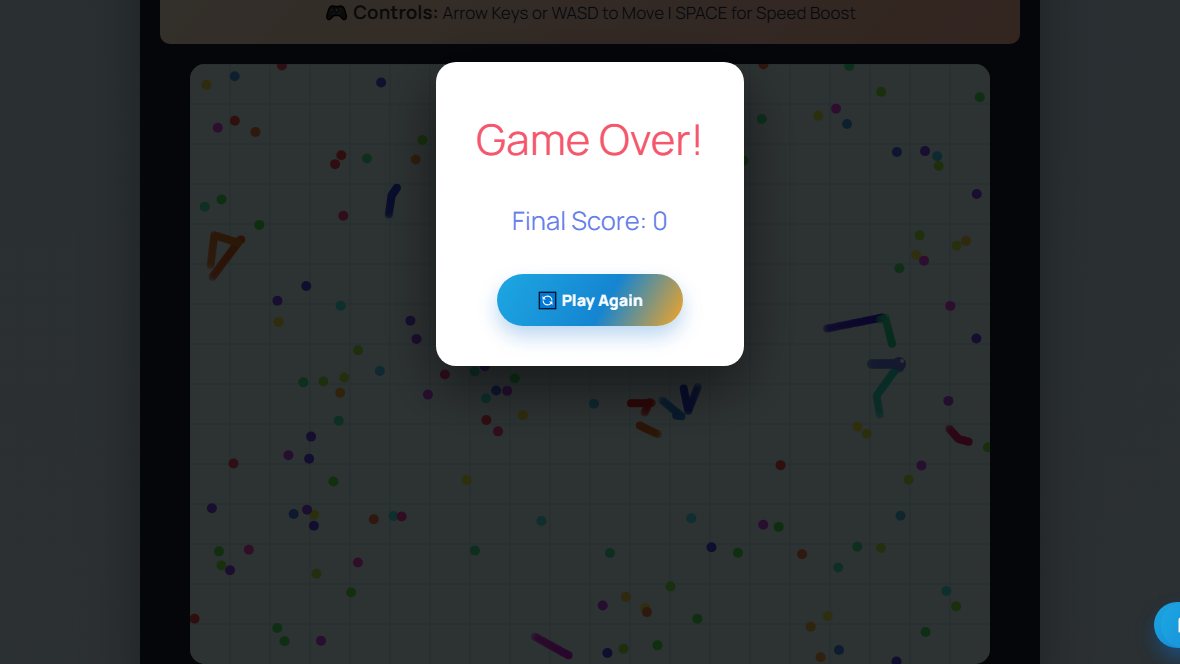
Snake IO
The classic Snake game reimagined as multiplayer .io battle. Grow your snake and dominate the arena.
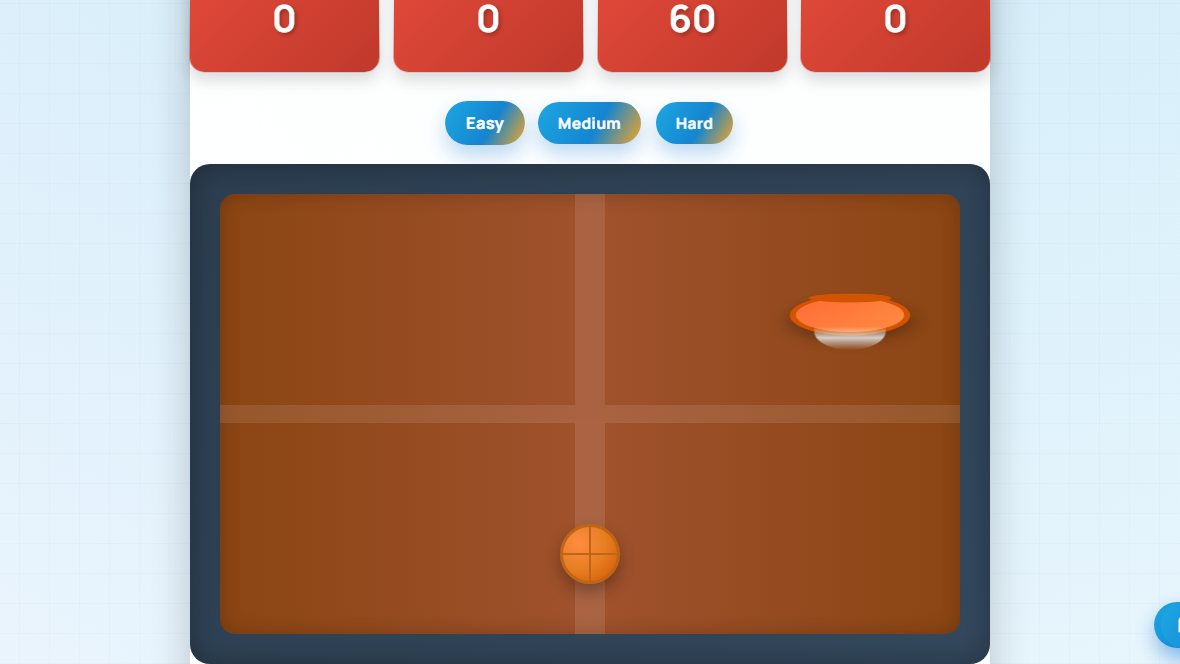
Basketball Arcade
Fast-paced arcade basketball with time pressure. Sink as many shots as possible before time runs out!
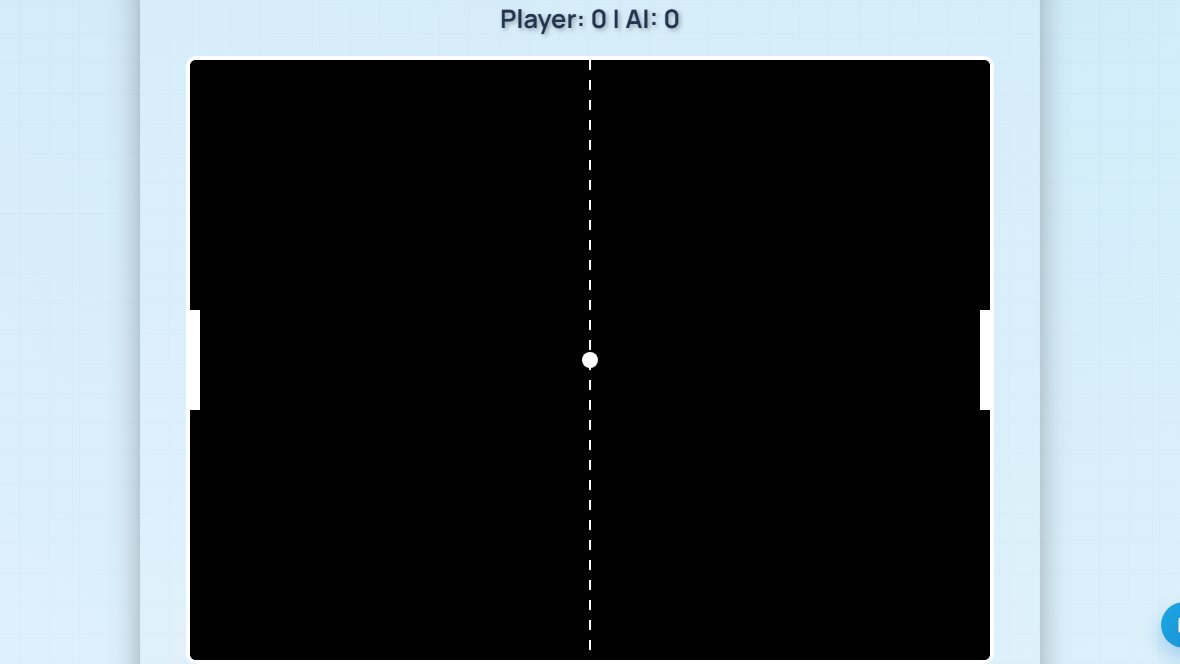
Pong
The legendary table tennis video game that started it all. Simple controls, endless fun.